Kawula Jiwa: Integrating Dynamic Display Typography into Creative Workflows
Selecting the right typeface is rarely just an aesthetic decision; it is a strategic component of visual communication that dictates how an audience processes information. For designers, marketers, and content creators working in high-energy niches, standard geometric sans-serifs often fail to convey the necessary emotional resonance. Kawula Jiwa serves as a specialized tool within the design workflow, offering a distinct visual voice that bridges the gap between raw urban street art and polished digital branding. Understanding where this dynamic display font fits into your production pipeline ensures that its bold, off-kilter letterforms enhance rather than disrupt your project’s functionality.
Defining the Role of Kawula Jiwa in Visual Hierarchy
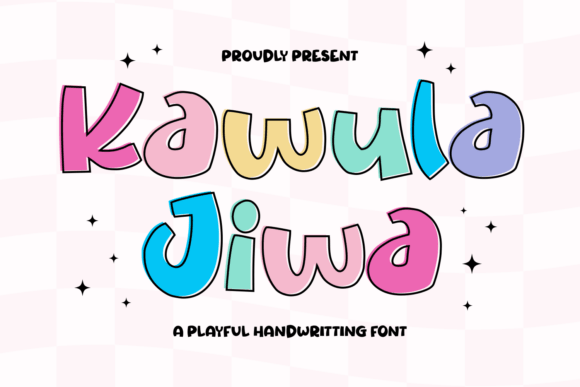
Kawula Jiwa is not a workhorse text face intended for long-form reading. Instead, it functions as a high-impact anchor point within a layout. Its defining characteristics—rhythmic hand-drawn outlines, heavy structural weight, and a unique sticker-style offset—make it inherently loud. In practical terms, this means the font should be deployed during the initial wireframing or mood boarding phase to establish tone before detailed content is finalized.
When planning a creative event poster or a youth-oriented apparel line, treat Kawula Jiwa as the primary visual hook. Its spontaneous personality commands attention, making it ideal for headlines, logos, and short call-to-action phrases. However, because of its intricate details and irregular baseline, it requires significant negative space to remain legible. Designers must account for this spatial requirement early in the grid setup process. Attempting to force this typeface into tight columns or secondary information slots will degrade readability and negate its energetic benefits.
Pre-Production: Asset Preparation and Technical Setup
Before applying Kawula Jiwa to a live project, proper technical preparation streamlines the execution phase. The sticker-style offset effect is a built-in feature of the glyph design, but it can create alignment challenges when paired with other elements. When setting up your document in Adobe Illustrator, Figma, or Affinity Designer, consider the following preparatory steps:
- Optical Alignment Over Metric Alignment: Due to the hand-drawn nature of the letterforms, standard auto-alignment tools may make text appear crooked. Always adjust positioning optically to ensure the visual center matches the layout grid.
- Outline Conversion Planning: If you are designing for print or merchandise, determine early whether you need to expand the strokes. The offset shadow effect may require manual cleanup after converting to outlines to prevent overlapping paths that cause printing errors.
- Color Separation Strategy: The dual-tone potential of the sticker effect allows for easy color separation. Plan your color palette to utilize this feature intentionally, assigning specific spot colors to the base letterform and the offset shadow to maximize contrast.
By addressing these technical constraints before the design phase intensifies, you avoid costly revisions later. This preparation is particularly vital for independent lifestyle bloggers and social media managers who operate on tight publishing schedules and cannot afford extensive rework.
Integration Across Digital and Physical Mediums
The versatility of Kawula Jiwa lies in its ability to translate across different output environments, provided the implementation is adapted to the medium. A workflow that works for an Instagram carousel differs significantly from one used for screen-printed t-shirts. Recognizing these distinctions allows creators to maintain brand consistency while respecting technical limitations.
Digital Content and Social Media Branding
In digital workflows, speed and scalability are paramount. Kawula Jiwa excels in social media templates where engagement relies on immediate visual impact. When integrating this font into platforms like Canva, Photoshop, or web-based design tools, prioritize file optimization. Display fonts with complex vectors can increase load times or render poorly on low-resolution screens.
For web implementation, use Kawula Jiwa sparingly. Limit its application to H1 tags or hero section graphics. Pairing it with a clean, highly legible sans-serif for body copy creates a necessary tension that guides the user’s eye. The font’s vibrant soul captures attention, but the supporting typography must facilitate navigation and comprehension. This pairing strategy is essential for maintaining professional credibility while leveraging the font’s expressive qualities.
Merchandise and Print Production
For youth-oriented apparel and physical goods, Kawula Jiwa’s heavy structural weight provides excellent ink coverage and durability. However, the hand-drawn outlines require careful prepress checks. Screen printers should verify that the thinnest points of the offset shadow meet minimum line width requirements for the chosen mesh count. If the details are too fine, they may fill in during the printing process, turning the distinctive sticker effect into a solid blob.
Embroidery digitizing presents another workflow consideration. The rhythmic, irregular edges of Kawula Jiwa may need simplification to translate well to thread. Digitizers should focus on capturing the overall silhouette and energy rather than replicating every vector node. Adapting the artwork specifically for the production method ensures the final product retains the intended vibrancy without manufacturing defects.
Pairing Strategies for Balanced Layouts
A common pitfall when using expressive display fonts is allowing them to overwhelm the entire composition. Kawula Jiwa has a strong personality; it does not need competition. Effective integration requires selecting partner typefaces that provide stability and neutrality. This is not merely an artistic preference but a usability requirement for clear communication.
- Geometric Sans-Serifs: Fonts like Montserrat, Inter, or Space Grotesk offer a structured counterpoint to Kawula Jiwa’s organic irregularity. The mathematical precision of a geometric sans stabilizes the layout, making the display font feel intentional rather than chaotic.
- Monospaced Typefaces: For projects leaning into the urban street art aesthetic, pairing Kawula Jiwa with a monospace font reinforces the raw, utilitarian vibe. This combination works exceptionally well for event posters, zines, and indie brand packaging where a DIY ethos is part of the value proposition.
- Neutral Serifs: To elevate the font for more sophisticated editorial contexts, pair it with a traditional serif. This juxtaposition bridges the gap between street culture and established publishing, suitable for lifestyle blogs targeting an adult demographic that appreciates both edge and refinement.
When establishing typographic systems, define clear rules for when to use Kawula Jiwa and when to defer to the supporting typeface. Documenting these guidelines in a brand kit ensures consistency across multiple designers, freelancers, or team members working on the same account.
Workflow Efficiency and Long-Term Usability
Incorporating a niche display font into a recurring workflow requires organization to maintain efficiency. For agencies or businesses managing multiple brands, asset management is key. Store Kawula Jiwa alongside its approved pairing fonts and pre-set color swatches in your shared library. This reduces friction during the ideation phase and prevents team members from guessing which weights or styles are licensed and appropriate.
Quality control is another critical aspect of long-term use. Because Kawula Jiwa features hand-drawn characteristics, no two letters are perfectly identical. While this is a feature, it can look inconsistent if tracked too tightly or spaced unevenly. Develop a custom tracking preset specifically for this typeface based on your most common usage sizes. Testing this preset across various backgrounds and export formats ensures that the font performs reliably whether it is being viewed on a mobile device or printed on a large-format banner.
Furthermore, consider the licensing implications in your procurement workflow. Ensure that the license covers all intended uses, including web embedding, app usage, and merchandise sales. Clarifying these rights during the purchasing phase prevents legal complications as the project scales. For small business owners and entrepreneurs, understanding the scope of the license is as important as the aesthetic fit.
Evaluating Fit for Specific Projects
Not every project requires a burst of vibrant energy. Before committing to Kawula Jiwa, evaluate the project goals against the font’s inherent attributes. It is the premier choice for independent lifestyle blogging, creative events, and loud digital content because it signals authenticity and dynamism. However, for corporate financial reports, medical documentation, or luxury minimalism, its spontaneous personality may introduce cognitive dissonance.
Use a simple decision matrix during the discovery phase: Does the brand need to appear approachable and energetic? Is the target audience receptive to non-traditional aesthetics? Will the font be used primarily at large sizes? If the answer to these questions is yes, Kawula Jiwa is likely a functional asset. If the priority is subtlety, tradition, or dense information density, reserve this typeface for accent elements or select a different tool entirely.
Ultimately, successful typography integration is about serving the content. Kawula Jiwa offers a powerful way to inject soul and rhythm into designs, but its effectiveness depends entirely on disciplined application. By treating it as a specialized component within a broader system—respecting its technical needs, balancing its energy with neutral partners, and preparing assets with the end medium in mind—creators can harness its vibrant potential without sacrificing clarity or professionalism. This process-oriented approach transforms a trendy font choice into a sustainable element of a robust creative workflow.