Real Stacked Retro: Integrating Vintage Texture into Modern Design Workflows
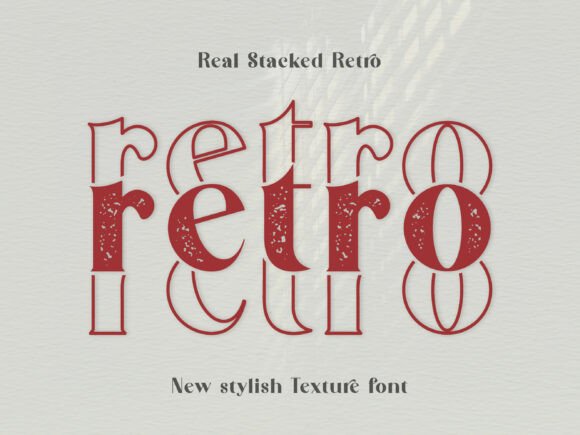
Selecting the right typeface is rarely just about aesthetics; it is a strategic decision that influences brand perception, readability, and production efficiency. Real Stacked Retro enters the design workflow as more than a decorative element. It is a specialized texture font engineered to solve specific visual challenges in nostalgic branding and editorial design. By combining solid, textured letterforms with elegant hollow outlines, this typeface creates a sophisticated 3D effect without requiring complex manual layering. For professionals managing tight deadlines or maintaining strict brand guidelines, understanding how to implement this asset effectively can streamline the creative process while elevating the final output.
Defining the Asset in a Production Context
Before integrating Real Stacked Retro into a project, it is essential to understand its technical construction and where it sits within the broader typography hierarchy. Unlike standard vintage fonts that rely solely on distressed vectors, this typeface utilizes a unique real stacked design. The solid, textured base provides weight and presence, while the hollow outline adds definition and rhythm. This duality makes it functionally distinct from typical display fonts.
In a practical workflow, this font serves as a high-impact anchor. It is not designed for body copy or extended reading. Instead, it functions best as a primary header, logo lockup, or poster title. Recognizing this limitation early prevents usability issues later in the production cycle. When planning a layout, treat Real Stacked Retro as a graphical element rather than traditional text. Its high-contrast aesthetic demands significant negative space to breathe, influencing grid systems and margin planning during the initial wireframing stage.
Pre-Project Planning and Compatibility Checks
Successful implementation begins before opening your design software. Because Real Stacked Retro relies on texture and stacking, file preparation is critical to avoid performance lag or rendering errors. Professionals should verify compatibility across their intended tech stack before committing to the typeface for a long-term campaign.
- Software Compatibility: Test the font in Adobe Illustrator, Photoshop, InDesign, and Figma. While vector-based, the intricate texture details can sometimes cause rasterization issues in web prototyping tools. Confirm that the hollow outlines render correctly at various zoom levels.
- Licensing Verification: Review the End User License Agreement (EULA) specifically for commercial branding versus editorial use. Ensure the license covers all intended deliverables, including social media templates, merchandise, and digital advertisements.
- Color Mode Assessment: The textured nature of this font interacts differently with CMYK print processes compared to RGB screens. Request or create a test swatch if the project involves offset printing to ensure the texture does not fill in or appear muddy on uncoated paper stocks.
- Pairing Strategy: Select complementary typefaces before starting the design. Real Stacked Retro requires neutral, clean sans-serifs or simple serifs for supporting text. Avoid pairing it with other decorative or textured fonts to maintain visual clarity and professional polish.
Execution: Optimizing Layout and Hierarchy
During the active design phase, Real Stacked Retro dictates the visual rhythm of the composition. Its bold, rhythmic impact works best when treated with intentionality. Rather than forcing the font into existing templates, allow its unique characteristics to inform the layout structure. This approach ensures the vintage aesthetic feels authentic rather than applied as an afterthought.
Managing Contrast and Legibility
The high-contrast aesthetic is the font’s strongest feature but also its primary risk factor. To maintain legibility, ensure sufficient contrast between the textured letterforms and the background. While the font includes hollow outlines to aid definition, placing dark textured text on a mid-tone background can reduce readability. In editorial headers, consider using a solid color block behind the text or adjusting the background opacity to create separation. For marketers creating social graphics, always test the design at thumbnail size to confirm the stacked effect remains distinguishable on mobile devices.
Layering and Customization Techniques
Although Real Stacked Retro comes pre-stacked, customization is often necessary for bespoke branding projects. Designers can separate the solid base from the hollow outline in vector editing software to adjust spacing, color, or texture intensity independently. This flexibility allows for adaptation across different media. For example, you might use the full stacked version for a large-format poster but utilize only the hollow outline for business cards or embroidery files where fine texture detail would be lost. Documenting these variations in a brand style guide ensures consistency across future touchpoints.
Post-Production Quality Control and Delivery
The workflow does not end when the design is approved. Technical quality control is vital when delivering files containing complex textured typography. Real Stacked Retro requires specific export considerations to preserve its integrity across platforms.
- Outline Text for Print: Always convert text to outlines before sending files to commercial printers. This prevents font substitution issues and locks in the precise alignment of the stacked layers. Keep a live-text backup file for future edits.
- Rasterization Settings: When exporting PNGs or JPEGs for web use, ensure the resolution is high enough to capture the texture grain. Standard 72 DPI exports may alias the edges of the hollow outlines. Consider exporting at 2x scale for retina displays and scaling down via CSS.
- Accessibility Compliance: Decorative fonts can pose challenges for screen readers. In web implementations, ensure Real Stacked Retro is used purely as a visual element with appropriate alt text or ARIA labels. Never use it for functional navigation or critical information without a plain-text alternative.
- File Organization: Maintain organized source files with clearly labeled layers. If working in a team environment, include a read-me file explaining any custom modifications made to the base font. This reduces onboarding time for new designers joining the project later.
Strategic Applications Across Industries
Understanding where Real Stacked Retro fits within specific industry workflows helps maximize its return on investment. Different sectors leverage this vintage aesthetic for distinct strategic purposes, moving beyond mere nostalgia to achieve tangible communication goals.
For Brand Strategists and Marketers: Use the font to establish immediate tonal recognition in rebranding campaigns. The textured, stacked appearance signals heritage and authenticity, which can differentiate modern brands in saturated markets. Apply it consistently across campaign hero images and packaging to build associative memory with the target audience.
For Editorial Designers and Publishers: Integrate the typeface into magazine mastheads, section dividers, or pull quotes. Its rhythmic quality guides reader attention through dense content layouts. The 3D effect adds depth to flat pages, creating a tactile experience that encourages physical engagement with print publications.
For Freelancers and Small Business Owners: Leverage Real Stacked Retro to create premium-looking assets without hiring an illustrator. The built-in texture and depth eliminate the need for additional graphic elements, reducing production time and cost. Use it for event posters, product labels, or social media announcements where bold visual impact is required to stop the scroll.
Maintaining Long-Term Usability
Trends cycle quickly, but well-implemented typography endures. To prevent Real Stacked Retro from feeling dated as styles evolve, focus on timeless application principles rather than trendy treatments. Avoid combining it with other period-specific clichés like halftone patterns or neon effects unless historically accurate. Instead, pair it with contemporary layouts, modern photography, and minimalist color palettes. This juxtaposition keeps the vintage aesthetic fresh and relevant.
Regularly audit your brand assets to ensure the font continues to serve its intended purpose. As businesses grow, communication needs change. What worked for a startup launch may not scale for enterprise-level reporting. Be prepared to retire or restrict the use of Real Stacked Retro if it begins to hinder readability or clash with evolving brand values. Maintaining a flexible typographic system ensures that this distinctive typeface remains a valuable tool in your creative arsenal rather than a limiting constraint.
Ultimately, Real Stacked Retro is a powerful asset for creators who value both style and substance. By approaching its implementation with the same rigor applied to layout grids and color theory, professionals can harness its unique stacked texture to create work that is visually striking, technically sound, and strategically effective. The key lies in respecting the font’s inherent characteristics while adapting its application to meet the practical demands of modern design workflows.