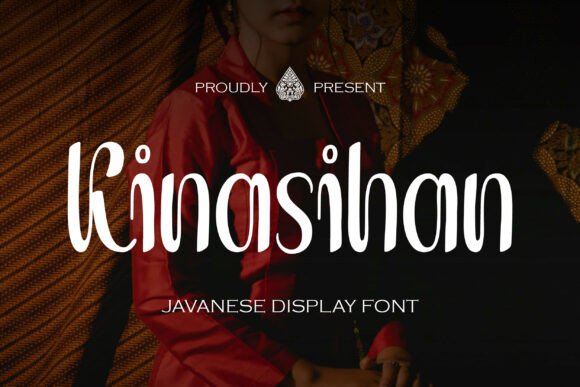
Kinasihan: Integrating Javanese Heritage into Modern Display Typography
In the evolving landscape of graphic design, the search for typefaces that bridge historical authenticity with contemporary utility is a constant pursuit for creative professionals. Kinasihan emerges as a distinct solution within this niche, offering a unique Javanese display font that reinterprets traditional cultural aesthetics through a modern decorative lens. Unlike standard serif or sans-serif families designed for extended reading, Kinasihan is engineered specifically for high-impact visual communication. It serves as a typographic vessel for cultural storytelling, allowing designers to infuse projects with ethnic-inspired details and artistic curves without sacrificing legibility or modern appeal. Understanding the functional and aesthetic dimensions of this typeface is essential for creators aiming to produce work that feels both authentically rooted and visually current.
The Intersection of Tradition and Contemporary Form
The primary value proposition of Kinasihan lies in its ability to navigate the delicate balance between heritage preservation and modern design trends. Traditional Javanese script, or Aksara Jawa, is renowned for its intricate, flowing morphology and philosophical depth. However, directly utilizing classical scripts can sometimes present accessibility challenges for global audiences or clash with minimalist modern layouts. Kinasihan addresses this by abstracting the essence of Javanese visual heritage into Latin letterforms that retain the spirit of the original culture while functioning within international typographic standards.
This synthesis is achieved through expressive letterforms that mimic the rhythmic flow of traditional calligraphy. The strokes are not merely decorative; they are structural references to the elegance of Javanese art. For business owners and educators, this means the font carries an inherent narrative weight. It communicates sophistication and cultural respect instantly, reducing the need for additional illustrative elements to establish a specific mood. The typeface acts as a standalone cultural signifier, making it a powerful tool for branding initiatives that require a strong sense of place and identity.
Visual Anatomy and Design Characteristics
To effectively utilize Kinasihan, one must understand its specific anatomical traits. The font is characterized by high-contrast strokes and fluid terminals that evoke the movement of batik canting or wayang kulit carving. These artistic curves are balanced against a sturdy underlying structure that ensures stability in large-format printing. Key visual attributes include:
- Ethnic-Inspired Details: Subtle nods to traditional ornamentation are embedded within the glyphs, providing texture and depth even at medium sizes.
- Expressive Proportions: The x-height and ascender/descender ratios are adjusted to create a dynamic vertical rhythm, distinguishing it from more static display fonts.
- Decorative Versatility: While ornate, the design avoids excessive clutter, ensuring that the "modern decorative style" remains clean enough for professional headlines.
- Cultural Personality: The overall silhouette of the text block creates a distinctive shape that immediately signals a connection to Javanese aesthetics.
These characteristics make Kinasihan particularly effective when used with ample negative space. The intricacy of the letterforms demands breathing room to be fully appreciated, guiding layout decisions toward uncluttered, poster-style compositions rather than dense textual arrangements.
Strategic Applications Across Industries
The versatility of Kinasihan extends beyond purely artistic endeavors. Its unique positioning makes it applicable across various sectors where visual distinction and cultural resonance are paramount. Professionals in different fields can leverage this typeface to solve specific communication challenges.
Hospitality and Culinary Branding
For restaurants, hotels, and tourism boards focusing on Indonesian or specifically Javanese experiences, typography plays a critical role in setting expectations. Kinasihan provides an immediate sensory cue that aligns with interior design, menu offerings, and service philosophy. Using this font for signage, menu headers, or welcome collateral establishes an atmosphere of authentic luxury. It moves beyond cliché tropical tropes, offering a refined typographic voice that appeals to discerning travelers and diners seeking genuine cultural immersion rather than caricature.
Cultural Events and Educational Materials
Educators and event organizers often struggle to find materials that look professional yet culturally appropriate. Standard fonts can feel too sterile for cultural festivals, while hand-lettering can appear inconsistent or amateurish. Kinasihan offers a standardized, high-quality alternative for exhibition titles, workshop certificates, and educational booklets. Its readability ensures that information is accessible to diverse age groups, while its stylistic roots honor the subject matter being presented. This duality supports the educational mission by making cultural content approachable and visually engaging.
Artistic Packaging and Merchandise
In the retail sector, packaging is the silent salesman. For products ranging from artisanal coffee and textiles to cosmetics and souvenirs, Kinasihan transforms packaging into a collectible artifact. The font’s decorative nature allows it to function as both text and pattern. Designers can use overlapping letterforms or scaled variations to create background textures that reinforce brand identity. This application is particularly relevant for businesses exporting local goods, as the typography bridges the gap between local origin and international design sensibilities, enhancing perceived value in global markets.
Technical Considerations for Implementation
While Kinasihan is aesthetically striking, successful implementation requires adherence to specific technical best practices. As a display font, it operates under different rules than body copy. Ignoring these constraints can lead to legibility issues or visual dissonance.
- Scale and Hierarchy: Kinasihan is designed to stand out in headlines. It performs optimally at larger point sizes where the ethnic-inspired details remain crisp. Avoid using it for body text or captions below 14pt, as the intricate curves may blur or become difficult to parse.
- Pairing Strategies: To maintain the font’s impact, pair it with neutral, geometric sans-serifs or clean serifs. Avoid combining Kinasihan with other highly decorative or script fonts, as this creates visual competition. The supporting typeface should act as a quiet foundation that elevates the display font.
- Color and Contrast: The complex forms of Kinasihan benefit from high contrast. Solid colors on plain backgrounds yield the best results. Be cautious with busy photographic backgrounds or low-contrast color schemes, which can obscure the delicate artistic curves.
- Digital Responsiveness: When using Kinasihan in web design, ensure proper fallback stacks are defined. Test rendering across devices to confirm that the expressive letterforms do not break or overlap awkwardly on smaller screens. Variable sizing via CSS clamp() functions can help maintain integrity across viewports.
Licensing and Ethical Usage
When incorporating culturally derived assets like Kinasihan into commercial projects, professionals must also consider the ethical dimensions of usage. Understanding the licensing terms is non-negotiable for business owners and agencies. Beyond legal compliance, there is a responsibility to use the font in contexts that respect its origins. Utilizing a font inspired by Javanese heritage for projects unrelated to or disrespectful of that culture can undermine the authenticity the typeface seeks to convey. Thoughtful application ensures that the design choice enhances the project’s integrity rather than treating cultural aesthetics as mere exotic decoration.
Enhancing Creative Workflows with Cultural Type
Integrating Kinasihan into a design workflow encourages a more intentional approach to typography. Rather than selecting a font as an afterthought, designers are prompted to consider the cultural narrative early in the conceptual phase. This shift leads to more cohesive outcomes where type, image, and message reinforce one another.
For researchers and hobbyists documenting cultural practices, Kinasihan offers a way to elevate personal projects to publication quality. It democratizes access to high-end cultural typography, allowing independent creators to produce work that rivals institutional outputs. Similarly, for seasoned professionals, it serves as a reminder that innovation often lies in looking backward. By blending traditional aesthetics with modern functionality, Kinasihan demonstrates that heritage is not static; it is a living design resource that continues to evolve.
The practical relevance of Kinasihan ultimately stems from its specificity. In a market saturated with generic typefaces, it offers a distinct voice. Whether used for a museum exhibition, a boutique hotel rebrand, or a digital art piece, it provides a tangible link to Javanese visual history. Mastering its application allows designers to create work that is not only visually memorable but also deeply resonant, proving that tradition and modernity can coexist harmoniously in contemporary design practice.