Evaluating Woodsmen Coconut Font for Design Projects
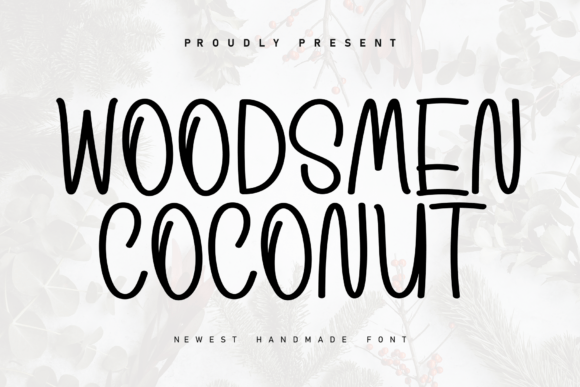
Selecting the right typeface is a foundational decision in visual communication, influencing how an audience perceives tone, authenticity, and professionalism. Woodsmen Coconut is a handwritten font characterized by its smooth strokes and organic lines, designed to evoke a relaxed yet polished atmosphere. For designers, marketers, and content creators evaluating typography options, understanding the specific functional attributes of this typeface is essential. This assessment explores the practical applications, benefits, and limitations of Woodsmen Coconut to help determine if it aligns with specific project goals.
Defining the Visual Characteristics
Woodsmen Coconut distinguishes itself within the script and handwritten category through a balance of informality and structure. Unlike distressed or grunge-style handwritten fonts that prioritize raw texture over legibility, Woodsmen Coconut maintains clean vector paths. The letterforms exhibit a consistent baseline and x-height, which contributes to a sense of heartfelt perfection rather than chaotic spontaneity. The connecting strokes are fluid but controlled, avoiding excessive loops or tangling that can hinder readability at smaller sizes.
This typographic voice sits at the intersection of casual warmth and refined elegance. It mimics the natural flow of hand-lettering while retaining the uniformity required for professional layout work. When evaluating this font, it is important to recognize that it is not intended to replicate messy notes; rather, it simulates an idealized version of handwriting that feels personal yet deliberate. This distinction is crucial for projects where trust and approachability are paramount, but sloppy execution is unacceptable.
Primary Use Cases and Strategic Fit
The utility of Woodsmen Coconut is best realized in contexts where human connection drives engagement. Its aesthetic properties make it particularly effective for specific design verticals:
- Wedding and Event Stationery: The font’s organic lines convey intimacy and celebration without appearing overly formal or stiff. It performs well on invitation suites, place cards, and welcome signage where a personal touch is expected.
- Lifestyle and Wellness Branding: Brands in the yoga, skincare, organic food, or sustainable living sectors often require typography that signals natural origins. Woodsmen Coconut supports this narrative by avoiding the mechanical precision of sans-serif geometric fonts.
- Social Media Graphics: In digital environments where users scroll quickly, display text must be instantly recognizable. The high contrast and open counters of this font allow it to remain legible on mobile screens when used for headlines or quotes.
- Packaging Design: For artisanal products, this typeface can serve as a primary logotype or secondary descriptor, reinforcing the "handmade" value proposition on labels and boxes.
In these scenarios, the font acts as a visual shorthand for authenticity. However, its effectiveness depends entirely on appropriate pairing and hierarchy. It functions optimally as a display face rather than a body copy solution.
Benefits and Practical Advantages
When comparing Woodsmen Coconut against other script options, several practical advantages emerge for the working designer. The primary benefit is versatility within the niche of approachable design. Many handwritten fonts are too eccentric for commercial use or too generic to stand out. Woodsmen Coconut occupies a middle ground that allows it to adapt to various color palettes and background textures without losing its identity.
Additionally, the technical construction of the font supports efficient workflow. The smooth curves render cleanly across different output media, from high-resolution print to web graphics. There is minimal need for manual kerning adjustments compared to more erratic script fonts, as the spacing has been optimized for general use. This reliability reduces production time during the iteration phase of branding or editorial design. The emotional resonance of the typeface also reduces the cognitive load for the viewer; the friendly aesthetic immediately establishes a positive sentiment, allowing the accompanying messaging to be received with less resistance.
Tradeoffs and Limitations
Despite its strengths, Woodsmen Coconut is not a universal solution. Objective evaluation requires acknowledging situations where this typeface may underperform or create friction.
Legibility Constraints
As with most connected scripts, readability decreases significantly below certain point sizes. While the letterforms are clean, the intricate connections can blur in small print or low-resolution digital displays. It is generally unsuitable for fine print, legal disclaimers, navigation menus, or dense paragraphs. Designers must test the font at actual output size before finalizing layouts to ensure accessibility standards are met.
Tone Mismatch
The inherent warmth of Woodsmen Coconut can be detrimental in contexts requiring authority, urgency, or clinical precision. Corporate financial reports, medical documentation, luxury fashion editorials, or tech-forward interfaces may find the font too informal or sentimental. Using it in these environments can undermine the perceived competence of the brand. If the project goal is to convey stability, innovation, or exclusivity, a serif or geometric sans-serif is likely a superior choice.
Saturation Risk
Handwritten fonts trend cyclically. While Woodsmen Coconut currently offers a fresh take on the style, reliance on trendy typography can date a design quickly. For brands seeking timeless longevity, this font should be used strategically as an accent element rather than the sole pillar of the visual identity system.
Decision-Making Framework for Selection
Determining whether Woodsmen Coconut is the correct asset involves a structured evaluation against project parameters. Consider the following checklist before licensing or implementing:
- Audience Alignment: Does the target demographic respond positively to soft, organic aesthetics? Younger, lifestyle-oriented audiences typically engage well with this style, whereas traditional B2B audiences may prefer conventional typography.
- Hierarchy Role: Will the font be used exclusively for display purposes (headlines, logos, short phrases)? If the requirement includes body text, this font should be disqualified or paired with a highly legible companion.
- Brand Voice Consistency: Does the "heartfelt perfection" of the font match the written copy? A playful, empathetic tone pairs naturally with Woodsmen Coconut. Technical, dry, or aggressive copy will create cognitive dissonance when set in this typeface.
- Technical Environment: Have you tested the font in the final medium? Webfont loading speeds, embroidery limitations, and foil stamping tolerances can all affect the viability of detailed script fonts.
- Competitive Differentiation: Do direct competitors use similar handwritten styles? If the market is saturated with organic scripts, choosing Woodsmen Coconut might result in blending in rather than standing out. Conversely, if competitors use sterile corporate type, this font could provide necessary differentiation.
Final Considerations
Woodsmen Coconut offers a distinct combination of relaxed charm and technical polish that serves specific design needs effectively. It excels in bringing a human element to branding, invitations, and social content, providing a sense of crafted intentionality that standard system fonts cannot achieve. However, its application requires discipline regarding scale, context, and tone.
For designers and stakeholders, the decision to use this typeface should be driven by functional requirements and audience psychology rather than aesthetic preference alone. When applied within its optimal parameters, Woodsmen Coconut facilitates genuine connection and enhances visual storytelling. When forced into unsuitable roles, it risks compromising both legibility and brand authority. By weighing these factors objectively, creative professionals can leverage this font’s unique characteristics to build more resonant and effective visual communications.