Evaluating Chubby Hearts Font for Creative Projects
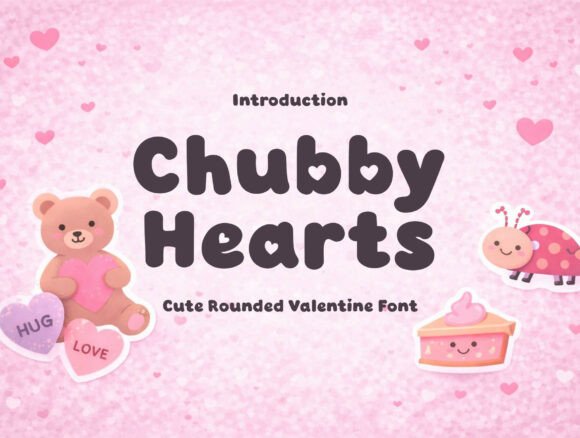
Selecting the appropriate typeface is a critical step in visual communication, particularly when the design goal involves conveying warmth, playfulness, or affection. Chubby Hearts is a display font characterized by bold, rounded letterforms and integrated heart motifs. It is specifically engineered for thematic projects such as Valentine’s Day materials, children’s educational resources, and festive crafting. For designers, educators, and hobbyists evaluating this typeface, understanding its specific aesthetic qualities, technical performance in cutting software, and contextual limitations is essential for determining if it aligns with current project requirements.
Defining the Aesthetic and Functional Profile
Chubby Hearts falls into the category of decorative display typography. Unlike standard sans-serif or serif fonts designed for extended reading, this typeface prioritizes personality and immediate visual impact. The primary design feature is the "chubby" proportion, where strokes are significantly thicker than standard weights, creating a soft, approachable silhouette. This weight distribution eliminates sharp corners, replacing them with smooth curves that psychologically signal safety and friendliness.
The integration of heart details within the letterforms serves as a dual-purpose design element. Aesthetically, it reinforces the theme without requiring additional clipart or embellishments. Functionally, it reduces the need for layering multiple design elements, which can simplify the workflow for digital creators. However, these intrinsic details also define the font's boundaries; the typeface is inherently tied to romantic or affectionate themes, making it less versatile than a neutral rounded font.
Legibility and Readability Considerations
A common tradeoff with highly decorative fonts is compromised legibility. Chubby Hearts mitigates this risk through consistent stroke width and open counters (the enclosed spaces within letters like 'o' or 'e'). Despite its ornamental nature, the character shapes remain distinct. This makes it suitable for short-form content such as headlines, stickers, and greeting card fronts. Evaluators should note that while the font is readable at medium to large sizes, the intricate heart details may become indistinct or cluttered when scaled down below 24 points. For projects requiring small print or dense information, pairing Chubby Hearts with a simple, clean sans-serif body font is a practical necessity to maintain hierarchy and comprehension.
Technical Performance in Crafting and Digital Design
For users utilizing Cricut, Silhouette, or other vinyl cutting machines, the structural integrity of a font is as important as its appearance. Chubby Hearts is generally optimized for fabrication due to its bold lines. Thin, spindly fonts often tear during weeding or fail to adhere properly to transfer tape, but the substantial weight of this typeface provides adequate surface area for adhesive bonding.
When evaluating this font for physical production, consider the following technical aspects:
- Cutting Complexity: While the bold shapes cut well, the internal heart cutouts require precise blade calibration. Users working with delicate materials like glitter cardstock or vellum should perform test cuts to ensure the inner details do not rip.
- Weeding Ease: The rounded edges and generous spacing typically facilitate easier weeding compared to script fonts with tight connections or jagged serifs.
- Material Compatibility: The font’s thick profile makes it ideal for puff vinyl, heat transfer vinyl (HTV), and layered paper projects. It may be less effective for intricate foil stamping where fine detail is required.
In digital environments, the font renders clearly on screen, making it effective for social media graphics and digital invitations. Designers should utilize color psychology to enhance the typeface; soft pinks and reds reinforce the intended mood, while high-contrast colors improve accessibility and readability against varied backgrounds.
Ideal Use Cases and Audience Alignment
Determining whether Chubby Hearts is the right choice depends heavily on the target audience and the emotional tone of the project. The typeface excels in environments where the primary objective is to evoke joy, nostalgia, or affection.
Educational and Child-Centric Environments
Teachers and curriculum designers often seek typography that feels welcoming rather than institutional. Chubby Hearts is well-suited for classroom decorations, reward charts, and early literacy worksheets. The rounded forms mimic the handwriting style taught in early education, potentially making text feel more accessible to young readers. However, educators should reserve this font for titles and labels rather than instructional paragraphs to prevent visual fatigue.
Seasonal and Event-Based Design
For Valentine’s Day, baby showers, or anniversary celebrations, the font acts as an immediate thematic anchor. Its built-in iconography reduces design time for party invitations, favor tags, and banners. Crafters producing merchandise for seasonal markets will find that the font’s distinct style helps products stand out in a saturated market, provided the application remains tasteful and aligned with brand identity.
Limitations and When to Choose Alternatives
Objective evaluation requires acknowledging where a typeface fails. Chubby Hearts is not a universal solution. Understanding its limitations prevents design missteps and ensures professional results.
Situations Requiring Alternative Typography
- Formal or Corporate Communication: The playful, informal nature of Chubby Hearts clashes with serious, luxury, or corporate branding. For wedding stationery requiring elegance or business communications demanding authority, a traditional script or serif typeface is more appropriate.
- Long-Form Text: Display fonts lack the rhythmic flow necessary for reading passages longer than a few words. Using Chubby Hearts for event schedules, detailed instructions, or articles will hinder user experience. Select a complementary neutral font for body copy.
- Non-Thematic Projects: Because the heart motifs are baked into the letterforms, the font cannot be "neutralized." If a project might be repurposed for non-romantic contexts later, a standard rounded sans-serif offers greater longevity and return on investment.
- Minimalist Aesthetics: Designs relying on negative space and subtlety may be overwhelmed by the font’s heavy weight. In minimalist layouts, the typeface can dominate the composition, leaving insufficient room for other visual elements.
Making the Final Selection Decision
Chubby Hearts represents a specialized tool in the typographic arsenal. It offers significant value for specific niches—namely crafting, early education, and festive design—where emotional resonance and visual charm are paramount. Its technical construction supports both digital and physical applications, provided users respect its size and spacing requirements.
Before acquiring or implementing this typeface, evaluate the project against three criteria: Is the tone strictly informal and affectionate? Will the text be used primarily for headlines or short labels? Does the output medium support bold, detailed shapes? If the answer to all three is yes, Chubby Hearts is likely a strong functional and aesthetic fit. If the project demands versatility, formality, or extensive text, exploring alternative rounded typefaces without intrinsic ornamentation will yield better long-term results. By weighing these factors objectively, creatives can ensure their typographic choices effectively support their broader design goals.