Copai: A Tactile Display Typeface for Soft Branding
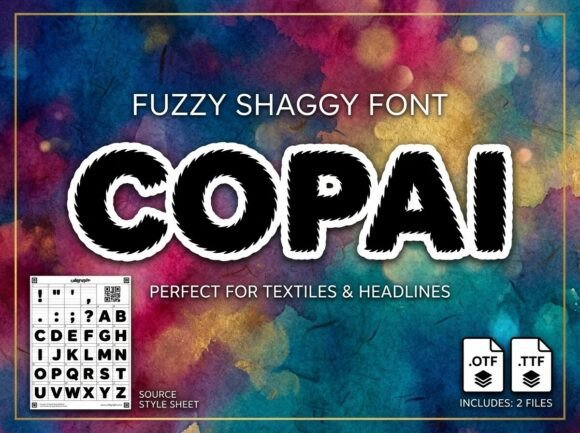
In the competitive landscape of visual identity, typography often serves as the primary vehicle for emotional connection. While clean sans-serifs and elegant serifs dominate corporate communication, certain niches require a typeface that physically embodies texture and warmth. Copai addresses this specific design need by offering a tactile display typeface that captures a plush-and-playful soul. Unlike standard rounded fonts that merely suggest softness through geometry, Copai utilizes a rhythmic, hand-drawn furry-edge silhouette to bridge the gap between soft textile aesthetics and modern character branding. For designers and business owners working within industries centered on comfort, play, or tactile experiences, understanding the practical application of this ultra-bold letterform is essential for creating authentic brand identities.
Translating Texture into Visual Communication
The primary value of Copai lies in its ability to communicate material quality before the viewer even reads the message. In digital environments where physical touch is impossible, typography must compensate for the lack of sensory input. The massive, ultra-bold letterforms of Copai are uniquely characterized by irregular edges that mimic the appearance of shaggy fabric or stuffed toys. This is not merely a stylistic flourish; it is a functional design element that signals "softness" and "safety" instantly.
For independent plush toy creators, this distinction is critical. When marketing handmade or boutique soft toys, the audience expects a sense of craftsmanship and huggability. Using a sterile, geometric font can create cognitive dissonance between the product's physical reality and its digital representation. Copai aligns these two elements, ensuring that the logo or packaging reinforces the tactile promise of the product itself. The heavy structural weight provides the necessary presence for retail shelves and social media thumbnails, while the organic edge details maintain an approachable, non-industrial personality.
Strengthening Identity for Pet and Animal Brands
Boutique pet shops and animal-focused service providers face a unique branding challenge: balancing professional trust with emotional warmth. Pet owners seek services that feel caring and gentle, yet they also require assurance of competence and safety. Copai offers a solution to this duality through its substantial weight combined with playful morphology. The boldness conveys stability and confidence, suggesting a business that is established and reliable. Simultaneously, the furry texture evokes the very animals the business serves, creating an immediate empathetic link.
This typeface works particularly well for businesses specializing in grooming, pet sitting, or artisanal pet treats. In these contexts, the font acts as a visual shorthand for gentleness. However, it is important to apply Copai selectively. Because of its high visual density and intricate edge work, it functions best as a headline or logotype rather than body text. Pairing Copai with a clean, highly legible sans-serif for informational content ensures that the brand remains accessible and easy to navigate while retaining its distinctive character in key focal points.
Enhancing Seasonal Packaging and Retail Presence
Seasonal merchandise, particularly children’s winter apparel, relies heavily on evoking feelings of coziness and protection. Packaging design in this sector must compete in crowded retail environments where visual noise is high. Copai’s massive scale and distinct silhouette provide the contrast needed to stand out against glossy, metallic, or photographic packaging trends common in holiday merchandising. The typeface brings a matte, textile-like quality to printed surfaces that suggests warmth even before the package is opened.
When designing for children’s products, readability and tone must coexist. Copai maintains excellent character recognition despite its decorative edges, which is vital for parents scanning labels quickly. The hand-drawn nature of the glyphs avoids the uncanny perfection of digital vectors, lending an air of nostalgia and tradition that resonates with gift-givers. Designers utilizing Copai for packaging should consider how the font interacts with substrate texture; printing this typeface on uncoated paper or recycled cardstock amplifies its inherent tactile qualities, whereas high-gloss finishes may flatten the effect and reduce its intended impact.
Creating High-Impact Social Media Headers
Social media platforms prioritize content that stops the scroll, and typography plays a significant role in this engagement. Copai is engineered for high-impact headers and story overlays where brevity and visual punch are paramount. The "shaggy-and-showstopping" aesthetic translates exceptionally well to mobile screens, where fine details often get lost. Instead of disappearing at smaller sizes, the rhythmic fur texture creates a vibrant boundary around the letters that separates them from busy background imagery.
Content creators and marketers can leverage Copai to establish a consistent visual theme across campaigns without relying solely on color or photography. For influencers in the parenting, DIY, or lifestyle spaces, this font helps codify a brand voice that feels personal and handmade rather than corporate and sponsored. It is worth noting that because Copai carries such strong personality, it dictates the mood of the entire composition. Designers should allow ample negative space around the letterforms to prevent the layout from feeling cluttered or overwhelming. The font demands attention; supporting elements should frame it, not compete with it.
Practical Considerations and Limitations
While Copai excels in specific applications, it is not a universal solution. Understanding its limitations is as important as recognizing its strengths to avoid misapplication. Due to its complex outer contours and heavy weight, Copai is strictly a display typeface. It becomes illegible and visually muddy when scaled down below 24 points or used in long-form paragraphs. Designers must have a robust secondary type system in place for UI elements, legal disclaimers, pricing tables, and extended descriptions.
Additionally, the specific cultural coding of Copai leans heavily toward youth, femininity, domesticity, and leisure. It may be inappropriate for brands attempting to convey technological precision, luxury minimalism, or masculine ruggedness. Even within the plush and pet sectors, there is a risk of overuse. If every competitor in a niche adopts similar textured display fonts, the differentiation advantage diminishes. Professionals should evaluate whether Copai aligns with their specific brand positioning or if a cleaner, more neutral typeface might actually serve better to highlight the product's own textures instead.
Optimizing Workflow and Creative Efficiency
Beyond aesthetics, choosing a specialized typeface like Copai can streamline the creative process by reducing the need for custom illustration. Previously, achieving a furry or textile effect in typography required manual vectorization, raster effects, or commissioning bespoke lettering. Copai provides these attributes natively within the font file, allowing for rapid iteration and editing. This efficiency is particularly valuable for freelancers and small teams operating under tight deadlines.
The ability to type, edit, and resize textured letterforms dynamically allows for faster prototyping of logos and marketing assets. Clients can see accurate representations of the final look during early approval stages, reducing revision cycles caused by mismatched expectations. Furthermore, because the texture is built into the glyph outlines rather than applied as a post-processing filter, the files remain lightweight and scalable for various outputs, from embroidered patches to large-format banners. This technical flexibility supports a more agile workflow, enabling creators to focus on strategic messaging and layout rather than labor-intensive graphic manipulation.
Ultimately, Copai serves as a specialized tool for bridging the sensory gap in digital and print design. Its value is realized not just in its unique appearance, but in its capacity to solve specific communication problems related to texture, warmth, and approachability. By applying this typeface thoughtfully within its optimal use cases, designers and entrepreneurs can create brands that feel as tangible and comforting as the products they represent. Success with Copai requires restraint and context awareness, ensuring that its plush personality enhances rather than overshadows the core message. When aligned correctly with brand goals, it transforms standard text into an immersive sensory experience that resonates deeply with target audiences seeking connection and comfort.