Chocodile: A Bold Typeface for Playful Branding
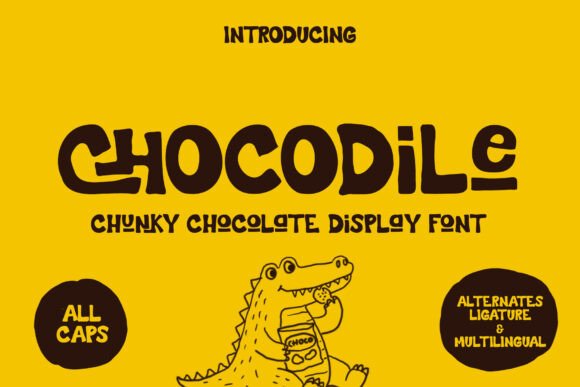
In the crowded world of visual design, typography often serves as the first point of emotional connection between a brand and its audience. For creators working in food, lifestyle, or youth-oriented markets, standard geometric sans-serifs can sometimes feel too sterile or corporate. This is where Chocodile enters the conversation. Designed as a fun snack typeface, it captures the essence of modern dopamine-style aesthetics, offering a visual texture that feels as satisfying as the treats it is meant to represent. It is not merely a collection of letters; it is a branding tool built to evoke sweetness, energy, and approachability.
Understanding the Dopamine Design Aesthetic
To truly leverage this typeface, it helps to understand the trend it embodies. Dopamine design focuses on bright colors, organic shapes, and nostalgic playfulness intended to trigger positive emotional responses. Chocodile translates this concept into letterforms through chunky, organic shapes that avoid rigid straight lines. The font mimics the viscosity of melting chocolate or the softness of baked goods, creating a subconscious link between the text and the sensory experience of eating.
Unlike traditional display fonts that prioritize perfect symmetry, this typeface embraces irregularity. The "juicy ligatures"—special characters where two or more letters connect in unique ways—add a custom, hand-lettered quality to digital text. For a marketer or small business owner, this means achieving the look of bespoke illustration without the time and expense of hiring a lettering artist for every single headline. It bridges the gap between professional typographic consistency and the warmth of artisanal craft.
Practical Applications in Food and Beverage
The most immediate application for Chocodile is within the culinary sector, but its utility extends beyond simple candy wrappers. Its bold weight ensures legibility even when scaled down for nutritional labels or social media thumbnails, while its personality shines at large sizes.
- Cafe Menus and Signage: Coffee shops and bakeries benefit from the font’s friendly demeanor. Using it for category headers like "Pastries" or "Seasonal Specials" creates a welcoming atmosphere that contrasts nicely with clean body text used for descriptions and pricing.
- Product Packaging: On shelves saturated with minimalist designs, a package featuring this playful typeface stands out. It signals indulgence and fun, making it ideal for snacks, beverages, frozen treats, and kids' lunchbox items.
- Social Media Graphics: Digital platforms favor high-contrast, scroll-stopping visuals. The thick strokes of Chocodile remain crisp on mobile screens, making it perfect for Instagram stories, TikTok overlays, and promotional carousels.
- Event Branding: Beyond food, the font works exceptionally well for festivals, farmers' markets, and community gatherings where the vibe is casual and celebratory rather than formal.
Elevating Editorial and Lifestyle Content
While rooted in snack branding, creative professionals are finding value in applying this aesthetic to broader editorial contexts. Bloggers writing about parenting, travel, or DIY crafts can use the typeface to break up dense text and inject personality into their layouts. In these scenarios, Chocodile acts as a visual palate cleanser. It prevents long-form content from feeling academic or dry, maintaining reader engagement through typographic variety.
For freelancers designing merchandise or print-on-demand products, the font’s distinct character reduces the need for complex graphics. A simple t-shirt or tote bag featuring a witty phrase set in this typeface can be visually complete on its own. The organic forms carry enough decorative weight that additional clipart or illustrations might actually clutter the design rather than enhance it.
Pairing Strategies and Visual Hierarchy
A common mistake beginners make when using highly stylized display fonts is overusing them. Chocodile is loud by nature, so it requires careful balancing to maintain readability and professional polish. Think of it as a strong spice in cooking; a little goes a long way.
The most effective pairing strategy involves contrasting the font's organic bulk with structured neutrality. A clean geometric sans-serif or a classic monospaced font provides the necessary stability for body copy, ingredient lists, and legal disclaimers. This contrast highlights the playfulness of the headlines while ensuring the functional information remains accessible. Avoid pairing it with other decorative or script fonts, as this creates visual competition that confuses the viewer and dilutes the brand message.
Hierarchy is equally important. Reserve this typeface for primary headlines, logos, and short call-to-action buttons. Subheadings should generally revert to a simpler style to guide the eye smoothly down the page. When the font is used sparingly, each instance carries maximum impact. When used for entire paragraphs, the unique letterforms become difficult to parse, reducing comprehension and frustrating the user.
Technical Considerations for Best Results
Before integrating this typeface into a commercial project, there are practical factors to consider regarding licensing and technical execution. Always verify the specific license terms for your intended use. Many playful fonts have different tiers for personal, desktop, and web use. Ensuring you have the correct commercial license protects your business from legal issues and supports the type designer’s continued work.
From a technical standpoint, pay attention to tracking (letter spacing). Because the characters have such distinct, chunky silhouettes, tight tracking can cause them to collide awkwardly, while excessive spacing can disconnect the ligatures that give the font its charm. Test various spacing settings at your final output size. What looks good on a 27-inch monitor may appear cramped on a business card or overly loose on a billboard. Always proof your typography in the actual context where it will be viewed.
Additionally, consider accessibility. While display fonts are exempt from strict WCAG body-text guidelines, they still need sufficient color contrast against their background. The rounded edges of Chocodile can sometimes reduce perceived sharpness, so avoid placing light versions of the font on pale backgrounds. High contrast ensures that the playful aesthetic does not come at the cost of inclusivity.
Why Personality Matters in Modern Typography
We are currently seeing a shift away from the ultra-minimalism that dominated the 2010s. Audiences are craving authenticity, warmth, and human touch in digital spaces. Choosing a typeface like Chocodile is a strategic decision to align with this cultural moment. It tells consumers that a brand is confident enough to be silly, approachable enough to be tactile, and modern enough to understand current visual trends.
For entrepreneurs and creators, typography is an investment in brand identity. The right font does more than display words; it sets the tone for every interaction a customer has with your product. By selecting a typeface that genuinely reflects the joy and satisfaction of your offering, you create a cohesive experience that resonates on an emotional level. Whether you are launching a new cookie line, redesigning a family blog, or refreshing a local cafe’s signage, bringing this fresh, modern flavor to your typography collection can be the distinguishing factor that makes your work memorable.