Evaluating Softie Pop: When to Choose Inflated Bubble Typography for Playful Branding
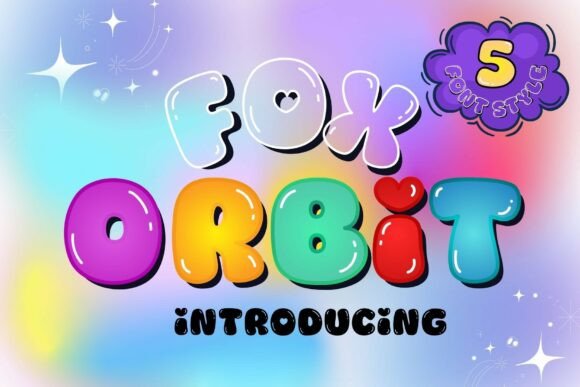
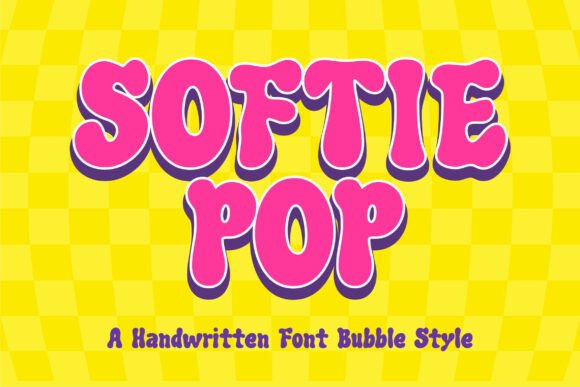
Selecting the right typeface for playful or youth-oriented projects requires balancing aesthetic appeal with functional legibility. While many designers are familiar with standard rounded sans-serifs or traditional comic styles, Softie Pop occupies a distinct niche within the display font category. It is a handwritten bubble font characterized by plump, rounded letterforms and a unique "inflated" visual effect. Unlike flat vector graphics, this typeface mimics the tactile quality of balloons, candy, or soft vinyl, offering a specific sensory cue that standard rounded fonts cannot replicate.
For adults managing branding, event planning, or merchandise design, understanding where Softie Pop fits in the broader typographic landscape is essential. It is not a universal solution for every cheerful project; rather, it is a specialized tool best suited for high-impact, short-form messaging. This evaluation explores the practical applications, technical considerations, and comparative advantages of using Softie Pop to help you determine if it aligns with your current design objectives.
Distinguishing Features of Inflated Handwritten Typefaces
The primary differentiator of Softie Pop is its dimensional rendering. Most bubble fonts on the market are geometrically constructed, resulting in uniform strokes that can feel sterile or overly digital. Softie Pop retains the irregularities of hand-drawn lettering while applying a consistent volume to each character. This combination creates an approachable, organic texture that feels less manufactured than standard novelty fonts.
The "inflated" aesthetic serves a psychological function in design. Rounded, voluminous shapes are universally associated with safety, softness, and indulgence. When evaluating this font against flatter alternatives, consider the emotional response you intend to evoke:
- Tactile Association: The puffy letterforms trigger associations with physical objects like marshmallows, bubbles, or inflated toys. This makes the font particularly effective for products where touch or taste is a selling point.
- Visual Weight: Despite being a display font, Softie Pop carries significant visual mass. It commands attention without requiring aggressive sharp edges or heavy bolding, making it suitable for audiences sensitive to harsh visual stimuli.
- Informal Authority: The handwritten nature suggests human involvement and care, which can soften commercial messaging. However, the consistency of the inflation maintains enough structure to remain readable as branding rather than appearing as mere doodling.
Comparative Analysis: Softie Pop vs. Standard Alternatives
When researching typography options for candy shop branding, children’s party invitations, or sticker design, you will likely encounter three main categories of alternatives. Understanding how Softie Pop compares to these styles helps clarify its specific utility.
Geometric Rounded Sans-Serifs
Fonts like Varela Round or Quicksand offer excellent legibility and modern cleanliness. They are superior for body copy, navigation menus, and long-form informational text. However, they lack the decorative personality required for hero headers or packaging. Softie Pop should be viewed as a complement to these workhorse fonts rather than a replacement. Use geometric sans-serifs for the details and reserve Softie Pop for the headline or logo lockup where emotional engagement is the priority.
Traditional Comic and Cartoon Fonts
Classic comic fonts often feature jagged edges, uneven baselines, or scratchy textures intended to mimic ink on newsprint. While energetic, these can sometimes read as chaotic or dated. Softie Pop offers a more contemporary, polished alternative. Its smooth curves and consistent spacing provide a cleaner reproduction on digital screens and modern print materials, avoiding the visual noise associated with older novelty styles.
Custom Hand-Lettering
Bespoke lettering provides the ultimate uniqueness but comes with higher costs and longer timelines. Softie Pop serves as a practical middle ground for projects with moderate budgets or faster turnarounds. With PUA (Private Use Area) encoding included, users can access special characters and decorative elements directly through standard design software. This accessibility bridges the gap between static fonts and custom illustration, allowing for varied compositions without hiring a lettering artist for every iteration.
Best-Fit Scenarios and Practical Applications
Evaluating whether Softie Pop is the correct choice depends heavily on the medium and the message length. Its strengths are most apparent in environments where immediate visual recognition outweighs the need for rapid reading speed.
Candy and Confectionery Branding: This is the font’s native habitat. The inflated forms mirror the product itself. For packaging labels, storefront signage, or social media ads for sweet treats, the font reinforces the flavor profile visually. It pairs exceptionally well with bright neon colors and drop shadows to create 3D pop-art effects that simulate depth and glossiness.
Children’s Events and Education: For birthday invitations, classroom decor, or educational flashcards, the soft aesthetic is welcoming to young readers and reassuring to parents. The rounded terminals eliminate sharp visual cues, creating a safe environment. However, ensure sufficient tracking (letter spacing) when using it for younger demographics to aid letter recognition.
Sticker and Merchandise Design: Die-cut stickers require bold outlines and clear silhouettes to be recognizable at small sizes. Softie Pop’s inherent thickness prevents the design from becoming too delicate during the cutting process. The font holds up well when printed on vinyl or transferred onto apparel, maintaining its integrity even when scaled down.
Limitations and Decision Factors
A balanced evaluation must address where Softie Pop falls short. Recognizing these limitations prevents costly redesigns and ensures professional results.
Legibility at Small Sizes: The inflated effect relies on internal white space and outer contours. When reduced below a certain threshold, these details collapse, and letters may appear as indistinct blobs. This font is strictly for display purposes. If your project requires subheads smaller than 18pt or body text, you must pair Softie Pop with a highly legible secondary typeface.
Extended Text Blocks: Due to its wide stance and decorative nature, Softie Pop is fatiguing to read in paragraphs. It is designed for headlines, logos, call-outs, and short phrases. Attempting to set a menu description or an "About Us" page in this style will frustrate users and diminish the perceived professionalism of the brand.
Tone Specificity: While versatile within the "playful" spectrum, Softie Pop is inherently informal. It is generally unsuitable for corporate communications, luxury goods, medical information, or serious advocacy work. Even if a brand wants to appear friendly, the overt sweetness of this typeface may undermine credibility in sectors requiring gravitas. Always test the font against your brand voice guidelines before committing.
Technical Considerations for Implementation
For designers and DIY creators alike, the technical ease of use is a significant decision factor. Softie Pop includes PUA encoding, which is a critical feature for workflow efficiency. Without PUA access, utilizing ligatures, alternates, or decorative swashes often requires copying glyphs from a character map or using specialized font management software. With PUA encoding, these assets are accessible via standard glyph panels in Adobe Illustrator, Photoshop, Canva, and Cricut Design Space.
This accessibility allows for greater customization without additional investment. You can vary the appearance of repeated letters or add flourishes to balance the composition, mimicking the natural variation of hand-lettering. When comparing font licenses, verify that the version you acquire includes this encoding, as it significantly extends the functional lifespan and versatility of the asset.
Making the Final Selection
Softie Pop represents a strong option for projects demanding high-volume personality and warmth. It excels when the goal is to create a delicious, approachable, and fun visual identity. Its distinct inflated aesthetic separates it from generic rounded fonts, providing a memorable signature for candy brands, kids' events, and sticker artists.
However, it should be selected with intention. If your project requires extensive reading, conveys serious information, or targets a demographic that prefers minimalist sophistication, alternative typefaces will serve you better. Evaluate Softie Pop not just as a standalone aesthetic choice, but as a component of a larger typographic system. When paired correctly with supportive colors, complementary secondary fonts, and appropriate spacing, it delivers a level of cheerful engagement that few other typefaces can achieve.