Understanding Liquid Bubble Splash: The Art of Fluid Typography in Modern Design
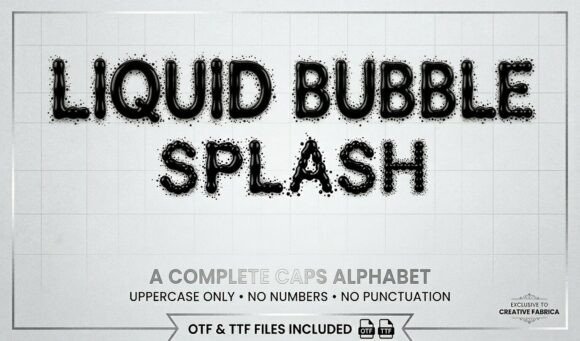
In the ever-evolving landscape of graphic design, typography serves as the backbone of visual communication. While clean sans-serifs and elegant serifs have their place, there is a growing demand for typefaces that convey emotion, texture, and kinetic energy. Enter Liquid Bubble Splash, a display font that defies traditional geometric constraints to offer something entirely organic. This highly unique and modern display font is constructed entirely from glossy, 3D-style liquid drops and scattered particles, creating an aesthetic that feels alive on the screen or page.
For designers, marketers, and creatives looking to break away from rigid grids, understanding the application and impact of fluid typography is essential. The letters in Liquid Bubble Splash appear as though they are formed by splashing black ink, clustered bubbles, or magnetic fluid. This gives the typeface a slightly grungy yet polished look, bridging the gap between chaotic expression and professional finish. In this guide, we will explore the significance of this style, its practical applications across various industries, and how to effectively integrate it into your creative workflow.
The Anatomy of Fluid Display Typography
To truly appreciate a font like Liquid Bubble Splash, one must first understand what distinguishes "display" typography from standard body text. Display fonts are designed to be used at large sizes for headings, posters, and logos rather than for extended reading. They are the visual hook that captures attention before the viewer processes the actual message.
Liquid Bubble Splash takes this concept further by incorporating skeuomorphic and 3D design principles directly into the letterforms. Unlike flat vector fonts, this typeface mimics the physical properties of liquids. The glossy highlights suggest a wet surface, while the scattered particles imply motion and viscosity. This creates a tactile experience for the viewer, even in a digital environment. When selecting typography for modern projects, recognizing these textural elements helps designers choose fonts that align with the sensory goals of the brand or artwork.
Balancing Chaos and Legibility
A common misunderstanding about grungy or liquid fonts is that they sacrifice readability for style. While it is true that Liquid Bubble Splash is not suitable for body copy or small print, its construction is intentional. The "messy" appearance is controlled chaos. The core structure of each character remains intact, ensuring that the letters are recognizable despite the splashing ink and bubble effects. This balance is crucial; it allows the font to remain edgy and expressive without becoming abstract art that fails to communicate text.
Practical Applications Across Creative Industries
The versatility of Liquid Bubble Splash lies in its ability to adapt to different thematic contexts. Because liquid is a universal element, it can represent anything from water and science to darkness and magic. Below are key areas where this typography excels.
Streetwear and Fashion Apparel
Modern streetwear relies heavily on bold graphics and experimental typography. The Y2K revival and acid graphics trends have paved the way for typefaces that look melted, inflated, or liquified. Liquid Bubble Splash fits perfectly into this niche. Its glossy, 3D-style liquid drops resonate with the futuristic yet nostalgic aesthetic popular in current fashion. When printed on oversized tees or hoodies, the font adds a burst of chaotic, fluid energy that transforms a simple garment into a statement piece.
Music Album Covers and Event Posters
Visual identity in the music industry often requires conveying sound through sight. For genres like bass-heavy electronic music, trap, or experimental pop, the sonic texture is thick and viscous. Liquid Bubble Splash visually mirrors this auditory experience. The clustered bubbles and magnetic fluid appearance suggest rhythm and distortion. Similarly, for event posters, this font creates immediate visual interest from a distance, signaling to the audience that the event will be dynamic and unconventional.
Halloween, Horror, and Dark Fantasy
One of the most specific and effective uses for this typeface is in horror-themed graphics. The description of the font evokes "black slime" and "dark magic," making it an ideal choice for Halloween promotions, haunted house flyers, or horror movie titles. Unlike traditional dripping blood fonts which can sometimes appear cliché or cartoonish, the polished, glossy nature of Liquid Bubble Splash offers a more sophisticated take on gore and ooze. It suggests toxicity and supernatural viscosity rather than simple violence, adding depth to dark creative projects.
Science and Educational Themes
Surprisingly, fluid typography has a place in educational and scientific design. When discussing chemistry, biology, or molecular physics, standard sterile fonts can feel disconnected from the subject matter. Liquid Bubble Splash, with its molecule-inspired clustering, can make scientific concepts feel tangible and engaging. It is particularly useful for museum exhibits, science fair banners, or educational YouTube thumbnails where capturing the curiosity of a younger or general audience is paramount. It turns abstract molecular structures into accessible, playful visuals.
Integrating Liquid Fonts into Professional Workflows
Using a distinctive font requires technical consideration to ensure the final output maintains quality. Here are practical tips for working with Liquid Bubble Splash effectively.
- Mind the Hierarchy: Because this font is visually heavy, it should dominate the hierarchy. Pair it with a clean, minimalist sans-serif for subheadings and body text to prevent the design from feeling cluttered.
- Color Considerations: The font’s built-in shading and highlights work best against contrasting backgrounds. Dark backgrounds enhance the glossy, wet look, while light backgrounds emphasize the silhouette of the splashes.
- Scale Matters: Never use this font below 24pt (or equivalent pixel size). The intricate details of the scattered particles and liquid edges will be lost at small sizes, resulting in a muddy appearance.
- Vector vs. Raster: Whenever possible, keep the text as live type or convert to outlines in vector software. If using rasterized versions, ensure the resolution is high enough to preserve the sharp edges of the liquid droplets.
The Significance of Texture in Digital Communication
Why do fonts like Liquid Bubble Splash matter in a broader context? As our daily lives become increasingly digital and screen-based, there is a psychological craving for texture and imperfection. Flat design served a purpose in the early mobile web era, but contemporary design is moving toward new skeuomorphism and maximalism. We want to feel the weight, wetness, and temperature of the visuals we consume.
This shift impacts business and branding significantly. Brands that adopt fluid, organic typography signal that they are adaptable, creative, and in tune with modern sensory trends. It moves communication away from corporate sterility toward human expression. Whether for a local band's demo tape or a global fashion campaign, the choice of typography sets the emotional temperature before a single word is read.
Common Misconceptions About Display Fonts
Beginners often assume that decorative fonts are merely novelties with no commercial value. However, in the attention economy, distinctiveness is a currency. A unique typeface can serve as a primary brand identifier, sometimes even replacing a logo mark entirely. Another misconception is that these fonts are difficult to license or use legally. Most modern display fonts, including those found on reputable marketplaces, come with clear licensing tiers for personal and commercial use. Understanding these licenses is part of professional design practice, ensuring that your striking streetwear apparel or album cover is both legally compliant and creatively authentic.
Conclusion: Embracing the Flow
Liquid Bubble Splash represents more than just a collection of letterforms; it is a tool for injecting vitality into static designs. By combining the precision of typography with the unpredictability of fluid dynamics, it offers creators a way to visualize energy, mood, and texture. From the glossy sheen of sci-fi interfaces to the dark drip of horror aesthetics, its applications are as varied as the states of matter themselves.
As you incorporate this font into your projects, remember that the goal is enhancement, not distraction. Use it to amplify your message, to add that necessary burst of chaotic, fluid energy, and to connect with audiences on a visceral level. In a world of endless scrolling, the designs that feel tangible are the ones that stop the thumb. Mastering the use of liquid typography is a step toward creating work that doesn't just get seen—it gets felt.