Wobbly Sans: Playful Typography for Modern Design
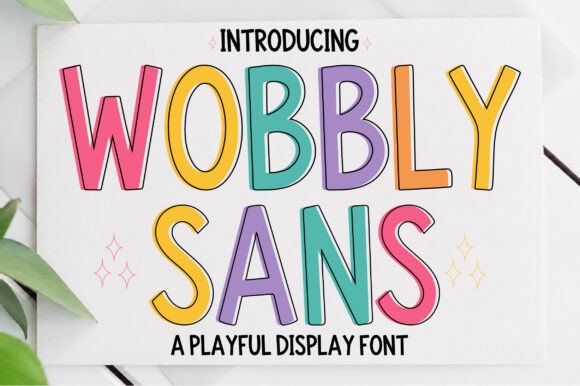
Injecting personality into visual communication often starts with selecting a typeface that feels authentically human, and Wobbly Sans delivers exactly that organic charm. As a fun and playful display font with a distinct hand-drawn style, it offers designers a versatile tool for creating approachable and memorable visuals. Unlike rigid geometric sans-serifs, this typeface brings a sense of spontaneity to creative projects while maintaining enough structure to remain functional across various media.
The Role of Hand-Drawn Typography in Brand Identity
In an era dominated by sleek minimalism and digital perfection, imperfect typography has emerged as a powerful differentiator in branding and visual design. Wobbly Sans capitalizes on this trend by mimicking the natural variations of hand lettering, which helps establish an immediate emotional connection with audiences. This is particularly valuable for brands targeting younger demographics or those wishing to project creativity, warmth, and accessibility.
When integrating this font into a brand identity system, consider its psychological impact. The irregular strokes suggest craftsmanship and playfulness, making it ideal for:
- Kids’ Products and Education: Creating friendly interfaces for learning apps or packaging for children’s goods.
- Artisanal and Craft Brands: Reinforcing the handmade quality of stickers, invitations, and boutique merchandise.
- Creative Agencies: Signaling innovation and out-of-the-box thinking through bold poster designs and social media graphics.
Practical Applications Across Digital and Print Media
Versatility is key when evaluating creative assets for a professional design workflow. Because Wobbly Sans includes a complete set of uppercase, lowercase, numbers, and punctuation, it functions effectively beyond simple headlines. Designers can utilize it for short body copy in editorial layouts, engaging captions for Instagram stories, or custom typography on t-shirts and apparel.
For web design and UI projects, this typeface serves best as an accent element rather than primary navigation text. Using it for hero banners, call-to-action buttons, or feature highlights adds visual interest without compromising usability. In print design and packaging, the font’s texture translates beautifully to physical substrates like recycled paper or matte vinyl, enhancing the tactile experience of the final product.
Best Practices for Using Display Fonts Effectively
To maintain a polished and professional presentation, it is crucial to balance the expressive nature of Wobbly Sans with solid typographic principles. While the font is inherently casual, its application should still adhere to standards of readability and visual hierarchy. Overusing a decorative typeface can clutter a layout and dilute its impact, so strategic restraint is necessary.
- Pair with Neutral Typefaces: Combine Wobbly Sans with clean, modern sans-serifs or classic serifs for body text. This contrast ensures that the playful elements pop while keeping extended content legible and accessible.
- Mind the Spacing: Hand-drawn fonts often have unique kerning requirements. Manually adjust tracking and leading to ensure the letters breathe properly, especially at larger sizes used in posters or advertising campaigns.
- Leverage Color Psychology: The font’s organic shape pairs exceptionally well with vibrant color palettes for high-energy marketing materials, or muted earth tones for a more sophisticated, craft-inspired aesthetic.
- Test Scalability: Always verify how the typeface renders at different sizes. Ensure the hand-drawn details remain crisp on mobile screens and do not become muddy when scaled down for business cards or small stickers.
Enhancing User Engagement Through Visual Tone
Typography is a primary driver of user experience (UX) because it sets the tone before a single word is processed. By choosing a typeface that aligns with the intended message, designers reduce cognitive friction and improve engagement. Wobbly Sans signals to users that the content is safe, entertaining, and human-centric, which can increase dwell time on websites and interaction rates on digital ads.
Ultimately, successful graphic design relies on matching form to function. Quality creative assets like this display font are not merely decorative; they are strategic tools that shape perception and guide behavior. When applied thoughtfully within a broader design system, playful typography elevates both aesthetics and communication, ensuring that your visual output resonates deeply with your target audience while maintaining professional integrity.