Fenia: Maximizing the Potential of a Bold, Rounded Typeface
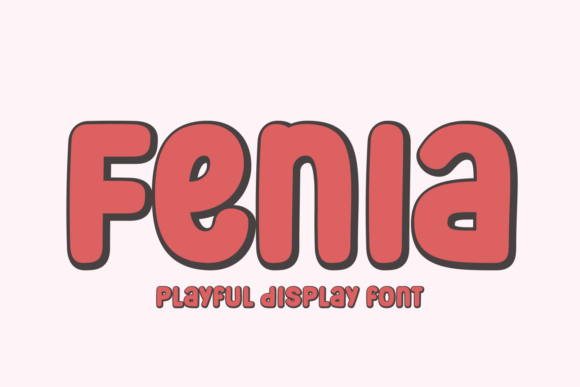
Fenia represents a specific niche in modern typography where minimalist structure meets hand-lettered warmth. As a rounded typeface that seamlessly marries simplicity with playfulness, it has become a staple for creators who need to balance professional aesthetics with approachable charm. However, because Fenia Fonts possess such a distinct personality—chunky, whimsical, yet clean—users often misapply them, leading to designs that feel cluttered or unprofessional rather than engaging. Understanding the functional boundaries of this font family is just as important as appreciating its visual appeal.
Whether you are an educator designing classroom materials, a small business owner crafting product labels, or a hobbyist working on Cricut projects, Fenia offers versatility. Yet, its bold silhouette requires intentional handling. The difference between a captivating design and a chaotic one often lies in how well you respect the font’s inherent weight and spacing. By avoiding common pitfalls, you can ensure this digital download serves as an expressive tool rather than a decorative afterthought.
Navigating Readability and Hierarchy
The most frequent mistake when using display fonts like Fenia is treating them as universal text solutions. Because the letterforms are chunky and radiate a fun vibe, there is a temptation to use them for everything from headlines to fine print. This approach undermines both usability and aesthetic quality. Fenia shines brightest when it is allowed to breathe as a primary focal point.
Correcting Text Density: Avoid setting long paragraphs in Fenia. The rounded terminals and bold stroke width reduce negative space within words, which causes eye fatigue at smaller sizes. Instead, pair Fenia with a clean sans-serif or a simple serif for body copy. Use Fenia strictly for titles, logos, short phrases, and callouts. This contrast not only improves readability but also makes the Fenia elements pop more effectively against a neutral background.
Managing Spacing: Hand-lettered wonders often come with unique kerning pairs that differ from standard system fonts. A common oversight is assuming the default tracking is perfect for every application. In logo design or large-format banners, you may need to manually adjust the spacing between characters to maintain visual consistency. Conversely, for nursery decor or birthday banners, slightly tighter spacing can enhance the cohesive, sticker-like quality of the type. Always test your spacing at the final output size before committing to a cut file or print run.
Technical Considerations for Crafters and Digital Designers
Fenia is compatible with major platforms including Procreate, Canva, Cricut Design Space, and Silhouette Studio, making it a multitasking marvel. However, cross-platform compatibility does not guarantee identical rendering. Users frequently encounter issues where the font looks smooth on screen but jagged after cutting, or where ligatures fail to activate in certain software.
- Verify File Formats: Before purchasing or downloading, confirm which file types are included (OTF, TTF, WOFF). While TTF is widely supported, OTF often retains better OpenType features and smoother curves for vinyl cutting. If you plan to use the font for web branding, ensure WOFF files are available to maintain load speed and crispness.
- Test Cut Settings: The chunky style of Fenia is excellent for weeding vinyl, but intricate internal counters (the holes in letters like 'a' or 'e') can sometimes tear if blade depth isn't calibrated. Perform a test cut specifically for this typeface rather than relying on generic material settings. The rounded edges require a slightly different pressure profile than sharp-edged geometric fonts.
- Check Ligature Support: Many hand-lettered fonts include alternate characters and connecting ligatures that mimic natural writing flow. Not all design software enables these by default. If your text looks disjointed, check the glyph panel or OpenType settings in your software. Overlooking these built-in features results in a stiff appearance that misses the font's intended warmth.
Aligning Tone with Commercial Application
While Fenia is undeniably playful, it is not exclusively juvenile. A significant misunderstanding involves pigeonholing this typeface as "kids-only." While it is indeed a favorite among educators for classroom teaching and organization labels, its clean design makes it equally viable for adult-oriented commercial branding, summer parties, and chic product packaging.
Avoiding the Juvenile Trap: If you are using Fenia for a brand targeting adults, color choice and layout context matter immensely. Pairing this bold typeface with pastel rainbows will reinforce a nursery aesthetic. To leverage its stylish charm for a mature audience, combine it with muted earth tones, sophisticated textures, or minimalist photography. The font’s unique silhouette provides the personality; your styling choices determine the demographic perception.
Licensing Awareness: For entrepreneurs and freelancers, overlooking licensing terms is a costly error. Fenia is a digital download that typically includes commercial rights, but restrictions vary. Some licenses cover physical products (t-shirts, stickers) but exclude digital templates or NFT usage. Always read the specific license agreement attached to your download. Assuming "commercial use" covers every revenue stream can lead to legal complications or unexpected fees later. Clarify whether you need an extended license for high-volume sales or client work before launching a product line.
Evaluating Suitability Before Purchase
Before adding Fenia to your toolkit, conduct a practical evaluation to ensure it solves your specific design problem. Impulse buying based solely on a pretty preview image leads to unused assets and wasted budget.
- Assess Character Set Completeness: Does the font include the special characters, numbers, and punctuation you actually need? Some display fonts focus heavily on uppercase letters while neglecting lowercase or symbols. If you are creating educational materials or multilingual content, verify full alphabet coverage first.
- Review Real-World Samples: Look beyond the curated marketing mockups. Seek out user-generated content or reviews showing the font in actual projects. How does it look when printed on fabric versus paper? Is it legible on mobile screens? Real-world examples reveal practical limitations that polished previews hide.
- Consider Long-Term Versatility: Ask yourself if this font complements your existing library. Fenia works best when you already have reliable supporting typefaces. If your collection lacks neutral body fonts, acquiring Fenia alone may leave you struggling to complete layouts. Build a balanced typographic ecosystem rather than collecting isolated display fonts.
Ultimately, Fenia Fonts transform ordinary projects into engaging experiences when used with intention. Its adaptability—from scrapbooking to bold logos—is genuine, but only for users who respect its design parameters. By prioritizing hierarchy, verifying technical specs, and aligning stylistic choices with your target audience, you move beyond novelty and unlock the true professional value of this expressive typeface. Treat it as a precision instrument for communication, and it will consistently deliver warmth and impact across your creative endeavors.