Hilar Font: Bold Decorative Display Typography
In the crowded landscape of modern typography, finding a typeface that genuinely stops the scroll is a rare achievement. Hilar is a stunning decorative display font designed specifically to be the center of attention, offering a visual personality that standard sans serif or serif fonts simply cannot provide. For designers and brand strategists tired of safe, predictable choices, this premium font introduces unique artistic elements that transform ordinary text into a graphic element. It is not merely a tool for conveying information; it is a statement piece intended for creators who want to break away from the ordinary while maintaining a polished, professional finish.
The appeal of Hilar lies in its unapologetic boldness. Unlike versatile body copy fonts that aim for invisibility, this creative font demands to be seen. Its structure balances artistic flair with legibility, ensuring that while the letters are decorative, they remain coherent and impactful. This balance is crucial for commercial projects where aesthetic uniqueness must coexist with clear communication. Whether you are developing a new brand identity or refreshing an existing editorial layout, Hilar provides the visual weight necessary to establish immediate hierarchy and recognition.
Strategic Applications Across Branding and Media
Versatility in a display typeface does not mean it works everywhere; rather, it means it excels in specific, high-value contexts. Hilar is engineered for bold headlines, artistic logos, and creative packaging where standard typography often falls flat. In logo design, for instance, the font’s distinct character shapes reduce the need for additional iconography, allowing the wordmark itself to serve as the primary visual anchor. This is particularly valuable for small business owners and entrepreneurs seeking to maximize their design assets without overcomplicating their visual identity.
For marketers and content creators, the font serves as a powerful tool in social media graphics and digital advertising. In these fast-paced environments, you have milliseconds to capture audience engagement. The strong visual personality of Hilar creates instant contrast against busy feeds, signaling quality and intentionality. Similarly, in packaging design, the typeface adds a tactile, premium feel to product labels and boxes. It suggests that the contents are curated and special, influencing consumer perception before they even read the fine print. Editorial designers will also find value in using Hilar for pull quotes, chapter titles, or magazine covers, where it acts as a visual palate cleanser between dense blocks of body text.
It is important to distinguish where this font adds value versus where it detracts. Because it is a decorative display font, it should never replace your primary reading font. Instead, think of it as the headline act that supports the supporting cast of clean sans serif or serif fonts used for body copy. This strategic separation ensures that the novelty of the decorative elements remains fresh and effective throughout a campaign or publication.
Navigating the All-Caps Uppercase Constraint
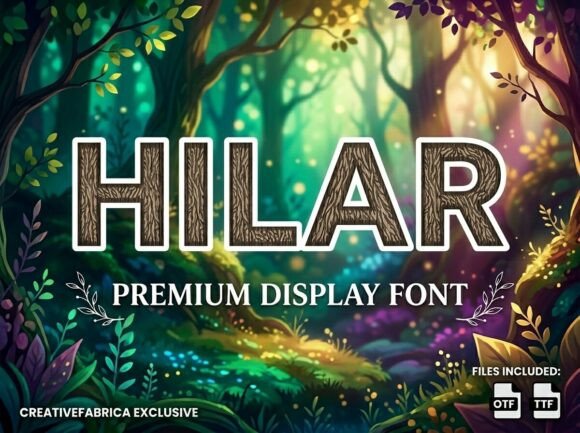
Before integrating Hilar into your workflow, there is a critical functional consideration that dictates its best use cases. This font is an ALL-CAPS Uppercase Only display typeface. It does not include lowercase letters. This is not a limitation but a deliberate design choice to ensure every letterform maintains consistent visual weight and artistic integrity. When you type in lowercase keys, the font will still render uppercase glyphs, or potentially alternate characters depending on the OpenType features included.
This constraint actually enhances professionalism when applied correctly. All-caps typography is inherently authoritative and structured, making it ideal for high-impact headlines, logos, and decorative initials. However, it also imposes strict readability boundaries. You should avoid using Hilar for long sentences, paragraphs, or any interface elements requiring rapid scanning. The human eye reads lowercase text faster due to the varied ascenders and descenders that create unique word shapes. By reserving Hilar exclusively for short, punchy messaging, you respect the reader’s cognitive load while maximizing the font’s decorative impact.
When testing this typeface in your mockups, pay close attention to letter spacing. All-caps display fonts often require adjusted tracking to achieve optical balance. Tighter spacing can create a solid, logo-like block of color, while wider spacing evokes luxury and elegance. Experimenting with these micro-adjustments is essential for achieving a custom, bespoke look rather than a default typewriter effect.
Mastering Font Pairings and Visual Hierarchy
A decorative font like Hilar cannot exist in a vacuum. Its success depends entirely on what surrounds it. Effective font pairing is about creating tension and resolution. Since Hilar possesses such a strong visual personality, it requires a partner that is neutral, stable, and highly legible. A geometric sans serif font often works beautifully as a counterpoint, providing a modern, clean foundation that lets the decorative elements shine without competing for attention. Alternatively, a classic transitional serif font can lend an air of heritage and sophistication, grounding the artistic flair of Hilar in tradition.
Consider the concept of visual hierarchy in web design and print layouts. Hilar should always occupy the top tier of this hierarchy. If you find yourself wanting to use it for subheads or captions, it is likely too heavy for those roles. Reserve it for the primary message—the three to five words that define the page or poster. This discipline maintains consistency and prevents the design from becoming visually noisy. For bloggers and publishers, this might mean using Hilar only for the main post title and category tags, while relying on a robust reading font for the article content.
Evaluating project fit also involves considering the emotional tone of your brand. While Hilar is versatile, its artistic elements carry a specific mood. Test it alongside your existing brand colors and imagery. Does the font’s personality align with your voice? If your brand is minimalist and corporate, the decorative nature of Hilar might need to be used sparingly as an accent. If your brand is expressive, lifestyle-oriented, or luxury-focused, the font can take on a more dominant role. Always review the included styles and OpenType features to see if there are alternates or ligatures that can further customize the appearance for your specific needs.
Technical Specifications and File Formats
Professional execution requires professional tools. When you acquire Hilar, you receive two distinct file formats that cover the full spectrum of design workflows. The OTF (OpenType Font) file is the industry standard for advanced design and layout software like Adobe Illustrator, InDesign, and Photoshop. This format supports advanced typographic features, ensuring that the unique artistic elements render correctly and that you have access to any hidden glyphs or styling sets embedded in the font.
Simultaneously, the inclusion of a TTF (TrueType Font) file guarantees universal compatibility. This is essential for creators working across different platforms or collaborating with clients who may not have professional design suites. TTF files work seamlessly in Microsoft Office, Canva, Cricut, Silhouette, and other consumer-grade creative tools. This dual-format delivery ensures that whether you are designing a complex packaging dieline or a quick Instagram story, the typography remains consistent and accessible.
Finally, always verify commercial licensing before launching a project. Using a premium font correctly protects your brand from legal issues and supports the type designer. Understanding the scope of your license—whether it covers desktop use, web embedding, or merchandise—is as important as the aesthetic choice itself. By combining technical diligence with creative exploration, Hilar becomes more than just a download; it becomes a reliable asset in your professional design toolkit, capable of elevating your work from standard to exceptional.