Flare Font: Bold Decorative Display Typography
In the crowded landscape of modern typography, finding a typeface that genuinely stops the scroll is a rare achievement. Flare is designed specifically for this purpose. It is not a font meant to recede into the background or serve as invisible body copy; it is a stunning decorative display font engineered to be the absolute center of attention. For designers and brand strategists tired of safe, predictable choices, Flare offers a distinct visual personality that bridges the gap between artistic expression and commercial viability. Its unique artistic elements provide an immediate focal point, making it an essential tool for creators who need their headlines, logos, and packaging to communicate confidence before a single word is read.
Defining the Visual Personality of Flare
Flare distinguishes itself through a commitment to high-impact aesthetics. As a premium font, it avoids the generic neutrality often found in standard sans serif or serif font families. Instead, every glyph has been crafted with intentional flair, incorporating decorative nuances that give the typeface a bespoke, handcrafted quality while maintaining a polished, professional finish. This balance is critical for commercial work; you want the creativity of a handwritten font without sacrificing the structural integrity required for legibility at large sizes.
The typeface carries a strong sense of rhythm and weight. Unlike script fonts that rely on connecting strokes for flow, Flare uses form and negative space to create movement. This makes it exceptionally versatile across different media. Whether rendered in metallic ink on luxury packaging or displayed as white text over a dark video background, the letterforms retain their character. The design feels contemporary yet timeless, avoiding trendy gimmicks that might date your brand identity within a year. It speaks to an audience that values craftsmanship and boldness, making it ideal for fashion editorials, artisanal product labels, and dynamic social media graphics.
Strategic Applications Across Media
Understanding where to deploy a creative font like Flare is just as important as selecting it. Because of its decorative nature, it excels in specific contexts where brevity and impact are paramount. In logo design, Flare provides instant recognition. A logotype set in this face does not require additional iconography to stand out; the letters themselves function as the primary visual asset. This is particularly valuable for small business owners and entrepreneurs looking to establish a memorable brand presence without cluttering their visual identity.
In editorial design and publishing, Flare serves as a powerful hierarchy tool. Use it for chapter titles, pull quotes, or magazine covers to guide the reader’s eye and break up dense blocks of text. For web design, it works best in hero sections or landing page headers where the goal is immediate engagement. However, restraint is key. While it is perfect for short, punchy statements, it should never replace your primary reading font. Pairing Flare with a clean, neutral sans serif or a classic serif font for body copy ensures that your layout remains accessible and user-friendly. The contrast between the ornate display face and the utilitarian body text creates a sophisticated tension that elevates the entire design system.
Packaging design is another area where Flare shines. On a store shelf, products have milliseconds to capture consumer interest. The bold, artistic letterforms of Flare can transform a simple product name into a premium experience. It suggests quality and intentionality, signaling to the buyer that the contents inside are curated and special. This psychological association is invaluable for marketers and brand strategists aiming to position products in the mid-to-high-tier market segment.
Navigating Technical Specifications and Usage Constraints
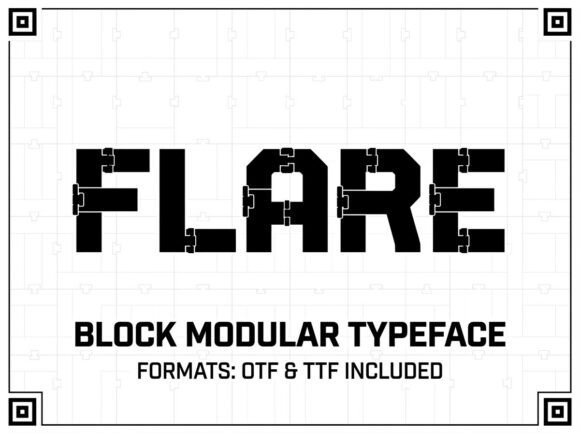
Before integrating Flare into your next project, it is vital to understand its technical parameters to avoid workflow friction. Most importantly, Flare is an ALL-CAPS uppercase-only display typeface. It does not include lowercase letters. This is not a limitation but a deliberate design choice. Uppercase-only fonts allow for uniform height and spacing, creating a solid, architectural block of text that maximizes visual impact. This structure is specifically intended for high-impact headlines, logos, and decorative initials where every letter functions as a standalone work of art.
If your project requires sentence case or extensive paragraph text, Flare is not the correct tool. Attempting to force it into roles suited for body copy will harm readability and frustrate users. Always test your headlines in context. Type out your actual copy rather than using placeholder text to ensure the all-caps styling reads clearly and doesn't inadvertently spell unintended words or create awkward spacing issues. This practical evaluation step saves time during revisions and ensures the final output maintains professional standards.
File Formats and Licensing Considerations
When you acquire Flare, you receive two industry-standard file formats to ensure seamless integration across your tech stack:
- OTF (OpenType Font): This is the professional standard for advanced design and layout software like Adobe Illustrator, InDesign, and Affinity Designer. OTF files support advanced typographic features and are generally preferred for print production and complex branding projects due to their superior rendering and cross-platform consistency.
- TTF (TrueType Font): This format offers universal compatibility. It is the standard file for Microsoft Office applications, older operating systems, and certain web environments. Having the TTF version ensures that non-designers on your team, such as marketers drafting internal presentations or sales decks, can access the brand font without installation errors.
Beyond file formats, always verify your licensing needs. Commercial font licensing varies based on usage. If you are designing for a client, creating merchandise for sale, or embedding the font in a digital product, ensure your license covers these specific activities. Respecting intellectual property protects both you and the type designer, ensuring sustainable access to high-quality design assets. For web use, confirm whether the desktop license includes webfont files or if a separate web license is required to maintain legal compliance and optimal loading performance.
Evaluating Fit for Your Brand Identity
Choosing a typeface is a strategic decision that influences brand perception long-term. When considering Flare, ask yourself if your brand voice aligns with its confident, decorative aesthetic. Does your audience respond to boldness and artistry, or do they prioritize minimalism and tradition? Flare works beautifully for brands that want to break away from the ordinary—think boutique hotels, independent coffee roasters, creative agencies, and lifestyle influencers. It communicates energy and modernity.
However, for highly regulated industries like finance, law, or healthcare, where trust is built on conservatism and extreme clarity, a decorative display font might send the wrong signal. Context matters. Test Flare alongside your existing brand elements. Create mockups of real deliverables—a business card, an Instagram post, a website header—and evaluate them critically. Does the font enhance the message or compete with it? Does it improve the visual hierarchy or distract from the call to action?
Ultimately, Flare is a specialized instrument in the typographic toolkit. Used correctly, it transforms ordinary text into compelling visual communication. By respecting its all-caps nature, pairing it thoughtfully with complementary typefaces, and applying it strategically to high-visibility touchpoints, you leverage its full potential. It is more than just a collection of glyphs; it is a catalyst for creating design work that demands attention and leaves a lasting impression on your audience.