Fence: Bold Decorative Display Font
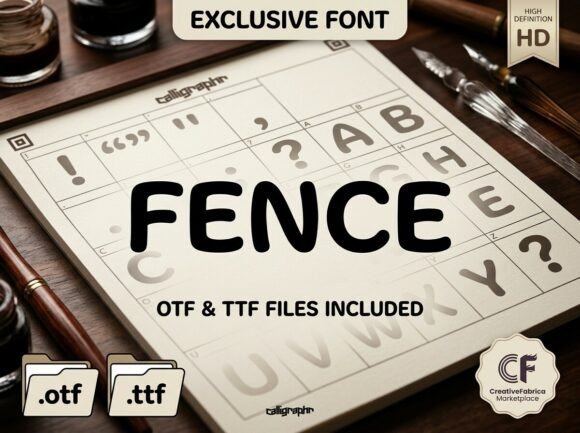
Elevating a brand’s visual identity often requires stepping away from safe, conventional choices and embracing typography that commands immediate attention. Fence is a stunning decorative display font designed specifically to be the center of attention, offering creators a way to break free from ordinary aesthetics. With unique artistic elements and a strong visual personality, this typeface serves as a powerful tool for graphic designers seeking to establish a memorable presence in crowded markets. Whether you are refining a logo or crafting an advertising campaign, understanding how to leverage such a distinct asset is crucial for effective visual communication.
The Role of Display Typography in Brand Identity
In modern graphic design, typography does more than convey information; it sets the emotional tone and establishes hierarchy. Fence excels in this role by providing a polished yet edgy finish that works exceptionally well for bold headlines and artistic logos. When integrated into a comprehensive branding strategy, this font helps define a brand's voice before a single word is read. Its decorative nature makes it ideal for creative packaging and editorial covers where standard sans-serif or serif fonts might fail to capture the viewer's imagination.
However, incorporating high-impact typefaces requires strategic thinking. Because Fence is an all-caps uppercase-only display typeface, it demands careful placement within your design workflow. It is not intended for body copy or long-form reading but rather for moments where maximum visual impact is necessary. This limitation is actually a strength, forcing designers to focus on brevity and clarity in their messaging while letting the letterforms themselves act as illustrative elements.
Practical Applications Across Creative Projects
Versatility is key when selecting creative assets, and this font adapts seamlessly across various mediums while maintaining professional quality. Designers can utilize it to enhance user engagement and strengthen brand recognition in several key areas:
- Logo Design and Branding: Create distinctive wordmarks that stand out in digital and print environments.
- Packaging Design: Add premium texture and character to product labels, boxes, and shopping bags.
- Social Media Graphics: Stop the scroll with bold typographic treatments in Instagram stories, posts, and ad creatives.
- Editorial Layouts: Use for magazine mastheads, article pull quotes, or book covers to signal content tone.
- Merchandise and Apparel: Ensure designs remain legible and stylish when printed on t-shirts, tote bags, or posters.
Technical Considerations and Design Workflow
Integrating new typography into existing design systems involves more than just aesthetic preference; technical compatibility ensures a smooth production process. Fence is provided in both OTF (OpenType) and TTF (TrueType) formats. The OTF file is generally preferred for advanced layout software like Adobe InDesign or Illustrator, as it supports superior typographic features and rendering. The TTF file ensures universal compatibility across different devices and operating systems, making it easier to share mockups with clients who may not have professional design software installed.
When working with an all-caps typeface, spacing becomes a critical factor in readability and visual balance. Because every letter is designed as a work of art, tight tracking can sometimes cause visual clutter. Designers should experiment with generous kerning and leading to allow each character to breathe, especially when using the font at larger scales. Pairing Fence with a clean, neutral sans-serif for supporting text creates a sophisticated contrast that enhances overall legibility and guides the viewer’s eye through the visual hierarchy effectively.
Enhancing Visual Communication Through Contrast
To maximize the effectiveness of this decorative font, consider its relationship with other visual elements like color palettes and imagery. A highly stylized typeface often pairs best with minimalist photography or solid color blocks to prevent the design from feeling chaotic. In UI and web design contexts, use it sparingly for hero sections or navigation highlights to maintain performance and accessibility standards. Remember that while the font adds artistic flair, the primary goal remains clear communication. Testing your designs at various sizes and on different screens ensures that the decorative elements do not compromise the user experience.
Ultimately, the choice of typography signals the level of care and intention behind a project. By thoughtfully integrating specialized assets like Fence, designers can transform generic templates into bespoke brand experiences. Quality creative assets do more than decorate; they solve communication problems and create lasting impressions. Investing time in selecting and applying the right typeface ensures that your visual output resonates deeply with your audience, bridging the gap between artistic expression and functional design.