Goalswing: Translating the Kinetic Energy of Football into Visual Design
The crowd roars. The ball curves through the air. And somewhere between the whistle and the net, magic happens. Capturing this ephemeral moment of athletic triumph in static media is one of the most persistent challenges in sports graphic design. Goalswing is a display font engineered to bridge that gap, serving as a typographic vessel for the joy, chaos, and celebration inherent to football. Designed specifically to honor the spirit of the beautiful game and the anticipated grandeur of the 2026 World Cup, this typeface moves beyond standard athletic aesthetics to embody the narrative of the pitch itself.
For designers, marketers, and content creators, understanding Goalswing requires looking past its novelty features to analyze its functional role in visual communication. It is not merely a decorative element; it is a strategic tool for conveying emotion, movement, and cultural relevance. By examining the anatomy, application, and psychological impact of this typeface, professionals can better leverage its unique characteristics to create resonant sports branding and editorial content.
The Anatomy of Celebration: Deconstructing the Letterforms
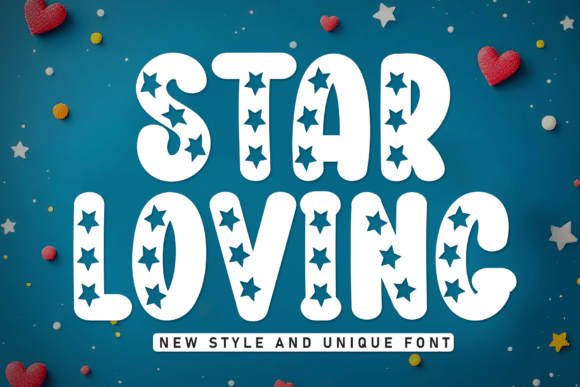
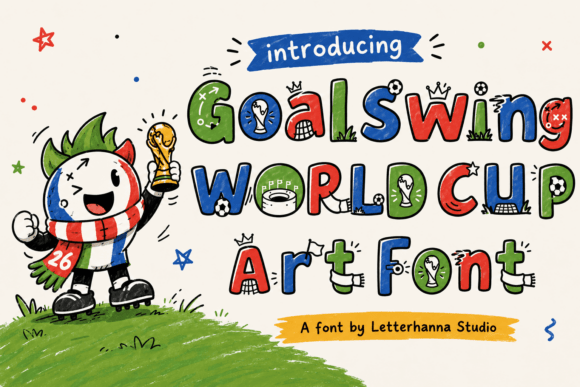
To utilize Goalswing effectively, one must first understand its construction. At first glance, the typeface presents playful rounded shapes that are soft and bubbly. This geometric choice is deliberate. In typography, rounded terminals and open counters are psychologically associated with approachability, youth, and safety. Unlike the sharp, aggressive serifs or rigid sans-serifs often used in competitive sports branding to convey dominance, Goalswing uses weight without aggression. It feels bold yet inclusive, mirroring the communal aspect of fandom rather than just the adversarial nature of competition.
The strokes possess a distinct hand-drawn quality, evoking the tactile nostalgia of chalk on a training board or marker on a fan’s sign. This imperfection is crucial for authenticity. In an era of hyper-polished digital assets, the slight irregularities in Goalswing ground the design in human experience. It suggests that the message was crafted by people, for people, rather than generated by an algorithm. This organic texture allows the font to pair exceptionally well with photography and gritty textures, preventing layouts from feeling sterile or overly corporate.
Semiotic Integration: Icons as Typographic Texture
The defining characteristic of Goalswing is the integration of micro-illustrations within the glyph set. Tucked inside and around the letters are tiny football icons—a soccer ball, a trophy, a goal net, a flagpole—scattered like stadium confetti. From a semiotic perspective, this transforms the text from a purely linguistic signifier into a composite image-text symbol.
This technique serves two practical functions in design workflows:
- Visual Rhythm: The embedded icons break up the monotony of horizontal reading lines, creating a syncopated visual rhythm that mimics the unpredictable pace of a match. The eye does not glide smoothly across the word; it bounces and engages, increasing dwell time on headlines.
- Contextual Reinforcement: The icons eliminate the need for supplementary clip art or iconography in tight spaces. A headline set in Goalswing carries its own contextual metadata, reducing visual clutter in mobile-first designs or social media graphics where screen real estate is limited.
However, this feature demands careful handling. Because the icons act as visual noise, Goalswing is strictly a display typeface. It fails at body copy sizes where the details become indistinguishable artifacts. Its optimal range is large-format usage where the "confetti" effect remains legible and intentional.
Strategic Applications Across Media Touchpoints
The versatility of Goalswing lies in its ability to adapt to various tiers of football culture, from grassroots community events to international broadcasting. Understanding where and how to deploy this typeface ensures it enhances rather than distracts from the core message.
Merchandising and Apparel Design
In the realm of World Cup merch and team apparel, typography must be readable from a distance and emotionally charged up close. Goalswing carries the energy of a last-minute winner and the warmth of a victory lap in a single headline. For jersey prints, the rounded forms conform naturally to fabric folds and curvature, avoiding the stiff appearance of block letters on textiles. The festive vibe makes it particularly suitable for supporter gear, children’s kits, and commemorative tournament wear where the primary goal is celebration rather than intimidation.
Event Marketing and Environmental Graphics
For matchday posters, tournament flyers, and stadium signage, the font acts as an atmospheric generator. The youthful energy translates well to promotional materials aimed at families and newer fans. When designing environmental graphics, consider using Goalswing for directional signage or zone markers (e.g., "Fan Zone," "Family Stand") to soften the institutional feel of venue infrastructure. The hand-drawn aesthetic helps integrate temporary event branding into permanent architectural spaces without creating visual dissonance.
Digital Content and Social Media
Social media platforms prioritize engagement, and typefaces that arrest the scroll are valuable assets. Goalswing’s high-contrast personality performs well in thumbnail generation and story overlays. For digital advertisers, the font’s inherent festivity can improve click-through rates on ticket sales and viewership campaigns by signaling entertainment value before the user even processes the copy. However, accessibility remains paramount; always ensure sufficient color contrast between the bubbly letterforms and the background, as the internal icon details can reduce perceived legibility if contrast ratios fall below WCAG standards.
Pairing and Hierarchy: Balancing Festivity with Function
A common pitfall when working with highly stylized display fonts is allowing them to dominate the entire hierarchy. Goalswing is a soloist, not a choir. To maintain professional polish, it must be anchored by supportive, neutral typefaces.
- The Neutral Sans-Serif Anchor: Pair Goalswing with a clean, geometric sans-serif (such as Inter, Helvetica Now, or Montserrat) for subheads and body copy. The neutrality of the supporting font provides necessary negative space for the eye to rest, making the Goalswing headlines pop more effectively.
- The Editorial Serif Contrast: For long-form journalism or retrospective pieces about football history, pairing Goalswing with a traditional serif creates a compelling tension between modern festivity and historical gravity. This combination signals that the content is both celebratory and substantive.
- Color Strategy: While the font works in monochrome, it thrives in vibrant palettes associated with football culture. Neon greens, pitch blues, and warm golds amplify the celebratory intent. Conversely, using Goalswing in muted tones can create a retro, vintage football aesthetic, leveraging the hand-drawn quality to evoke nostalgia for past tournaments.
Cultural Resonance and the 2026 World Cup Context
Typography is never created in a vacuum; it is a response to cultural moments. Goalswing arrives as the global design community prepares for the 2026 World Cup, an event spanning three nations and representing a massive expansion of the tournament format. The design language of such an event must balance tradition with inclusivity and forward momentum.
The "bubbly" and non-aggressive nature of Goalswing aligns with contemporary shifts in sports marketing, which increasingly emphasize diversity, youth participation, and global unity over hyper-masculine aggression. Whether you are designing for a local club seeking to modernize its community outreach or a multinational brand activating around the World Cup, this typeface offers a visual shorthand for these evolving values. It acknowledges that football is serious business, but ultimately, it is play.
Technical Considerations for Implementation
Before integrating Goalswing into production workflows, designers should verify technical specifications to avoid output issues. Display fonts with intricate internal details require specific attention during file preparation.
- Vector Integrity: Ensure that the embedded icons remain crisp at large scales. If scaling up for billboards or stadium wraps, check that the anchor points in the vector file are optimized to prevent rendering artifacts.
- Licensing Compliance: As with any specialized typeface, verify licensing terms regarding commercial use, merchandise reproduction, and broadcast rights. Fonts designed for major events sometimes carry specific restrictions or tiered licensing models.
- Web Font Performance: If deploying Goalswing on websites, be mindful of file size. Decorative fonts with complex glyphs can be heavier than standard text faces. Subsetting the font to include only necessary characters and icons can significantly improve page load speeds without sacrificing visual impact.
Ultimately, Goalswing succeeds because it treats typography as an extension of the sport itself. It understands that football is not just about the scoreline; it is about the sensory overload of the stadium, the collective breath of the crowd, and the enduring memory of the goal. By weaving these elements directly into the structure of the alphabet, it provides designers with a medium that doesn't just say football—it breathes it. For projects requiring that specific intersection of kinetic energy and typographic craft, it stands as a definitive choice for the current era of sports design.