Jack Angle: Bringing Authentic 70s Retro Charm to Modern Design Projects
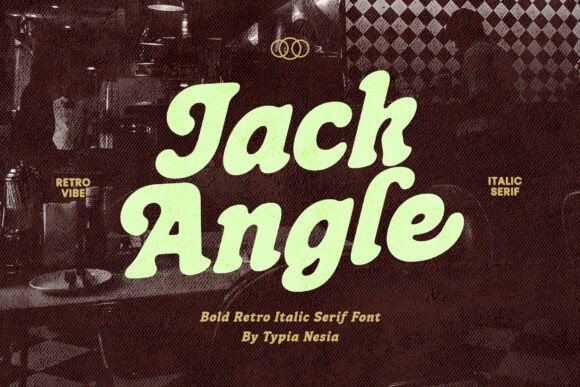
There is a distinct difference between a font that simply looks old and one that genuinely captures the spirit of a past era. Jack Angle falls firmly into the latter category. As a bold retro italic serif, it doesn't just mimic 1970s typography; it embodies the groovy aesthetics and nostalgic warmth that defined the decade’s visual culture. For designers, marketers, and small business owners, this typeface offers more than just letterforms. It provides an immediate emotional connection through its inked-style appearance and dynamic movement.
The defining characteristic of Jack Angle is its balance between structure and expression. The strong serif details ground the design in classic typographic tradition, while the pronounced italic slant injects energy and forward momentum. This combination makes it exceptionally versatile for projects that need to feel both timeless and lively. Unlike digital fonts that can sometimes appear sterile or overly perfect, Jack Angle retains a handcrafted charm. The subtle irregularities in the strokes suggest ink on paper, adding a layer of authenticity that resonates with audiences tired of polished, generic corporate branding.
Elevating Brand Identity and Packaging
For entrepreneurs and brand strategists, choosing a typeface is often about finding a voice. Jack Angle speaks with confidence and warmth, making it an ideal candidate for businesses rooted in craftsmanship, heritage, or lifestyle. Coffee roasters, artisanal bakeries, and boutique breweries frequently seek this specific aesthetic to communicate quality and tradition without feeling stuffy.
Consider a specialty coffee shop launching a new seasonal blend. Using Jack Angle on the packaging immediately signals a departure from mass-market commercialism. The bold curves command attention on a crowded shelf, while the retro proportions evoke memories of classic diner menus and vintage grocery labels. This isn't just decoration; it is a strategic signal to the consumer that the product inside has been curated with care. The font’s weight ensures legibility even at smaller sizes on bags or cans, while the italic angle adds a sense of motion that suggests freshness and activity.
This application extends beyond physical products to digital storefronts. E-commerce sites selling vintage clothing, vinyl records, or handmade goods can use Jack Angle for category headers and promotional banners. It bridges the gap between the nostalgic nature of the products and the modern functionality of the website, creating a cohesive user experience that feels intentional rather than accidental.
Creative Applications for Freelancers and Agencies
Freelance graphic designers and agency creatives often face the challenge of making event materials stand out in a saturated market. Jack Angle serves as a powerful tool for poster design, concert flyers, and festival branding. The 70s revival trend remains strong in music and entertainment, and this typeface aligns perfectly with genres like funk, soul, indie rock, and neo-disco.
When designing a gig poster, hierarchy is everything. Jack Angle works best as a display font for headliner names or event titles. Its boldness allows it to hold its own against busy photography or textured backgrounds. Because the letterforms have such distinct personality, they often require less additional embellishment. A simple layout featuring Jack Angle in a warm color palette can be more effective than a complex composition using a neutral sans-serif. This efficiency is valuable for freelancers working under tight deadlines who need high-impact results without over-designing.
Social media content creators also benefit from this versatility. In an feed dominated by minimalist aesthetics, a bold retro serif stops the scroll. Influencers and bloggers focusing on travel, food, or interior design can use Jack Angle for Instagram story overlays, Pinterest pins, or YouTube thumbnails. The font’s expressive character helps establish a recognizable visual signature, making content instantly identifiable to followers.
Practical Considerations Before Implementation
While Jack Angle is highly effective, it is not a universal solution. Understanding its limitations is just as important as recognizing its strengths. Because it is a display font with significant stylistic traits, it should rarely be used for body copy. Long paragraphs set in a bold italic serif can become fatiguing to read and may compromise accessibility. Reserve Jack Angle for headlines, logos, short taglines, and call-to-action buttons where its impact can be fully appreciated without hindering readability.
Pairing is another critical consideration. To let Jack Angle shine, it needs to be balanced with a quieter, more neutral typeface. A clean geometric sans-serif or a simple monospaced font often provides the necessary contrast. If you pair it with another decorative or serif font, the design risks becoming visually cluttered and losing its retro clarity. Think of Jack Angle as the lead singer; the supporting typography should be the rhythm section, steady and reliable.
Color selection also plays a pivotal role in maximizing the font's potential. While it works in black and white, Jack Angle truly comes alive with period-appropriate palettes. Burnt orange, mustard yellow, olive green, and cream enhance the vintage vibe. However, it can also be recontextualized with neon brights or muted pastels for a more contemporary interpretation. Testing the font in your specific color environment before finalizing a project is essential to ensure the inked texture interacts well with the background.
Digital and Editorial Use Cases
Publishers and editorial designers can leverage Jack Angle to create distinctive magazine covers or blog headers. For publications covering culture, history, or arts, the font sets a tone of thoughtful nostalgia. It suggests that the content within is reflective and substantial. When used for pull quotes or drop caps, it breaks up dense text and guides the reader’s eye through the layout.
In educational settings or community organizations, Jack Angle can soften institutional messaging. A flyer for a library book sale, a museum exhibition announcement, or a community theater production benefits from the approachable, human quality of the typeface. It removes the barrier of formality often associated with serif fonts, inviting engagement from a broader demographic. For educators creating course materials on design history or cultural studies, using the font itself as a teaching tool demonstrates the principles of 70s typography in action.
Making the Right Choice for Your Project
Before downloading or purchasing Jack Angle, evaluate whether your project genuinely calls for a retro narrative. Trend-chasing can lead to designs that feel dated quickly. Ask yourself if the vintage aesthetic supports the core message or merely distracts from it. If your goal is to convey cutting-edge technology or clinical precision, this typeface may send mixed signals. However, if your objective is to build trust through familiarity, celebrate creativity, or evoke a specific sensory memory, Jack Angle is a robust choice.
Licensing is another practical factor. Ensure you acquire the appropriate license for your intended use, whether personal, commercial, or web-based. Respecting intellectual property not only keeps you legally safe but also supports the type designers who preserve these historical styles. Many foundries offer tiered pricing, so assess the scale of your project to avoid overpaying for features you won't use or under-licensing for broad distribution.
Ultimately, Jack Angle succeeds because it treats retro design as a living language rather than a costume. It respects the origins of 70s typography while adapting them for contemporary applications. Whether you are branding a new café, designing a wedding invitation with a vintage twist, or creating social content that demands attention, this typeface offers a reliable path to authentic visual storytelling. By focusing on its strengths and respecting its constraints, you can harness its groovy energy to create work that feels both fresh and fondly remembered.