Gross: Elevating Visual Identity with Bold Decorative Typography
In the crowded landscape of digital design and print media, capturing immediate attention is often a matter of typographic choice. Gross is a decorative display font engineered specifically for this purpose, serving as a visual anchor rather than a background element. Unlike versatile sans-serifs designed for long-form reading, Gross possesses a strong visual personality that demands to be the center of attention. For creators, marketers, and business owners, understanding when and how to deploy such a distinct typeface is just as important as the aesthetic appeal itself. This font bridges the gap between raw artistic expression and professional polish, making it a strategic tool for projects where standard typography falls flat.
Defining the Aesthetic and Functional Role of Gross
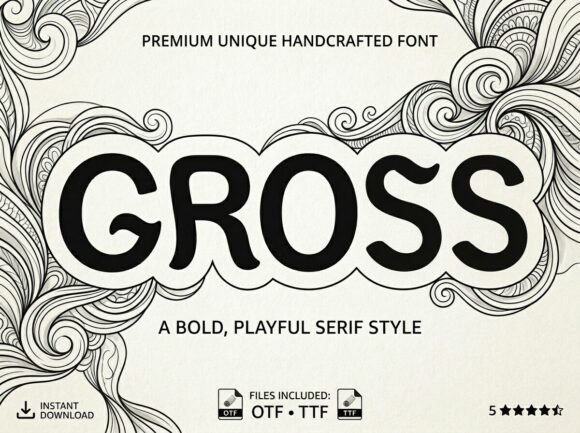
Gross is not a workhorse text font; it is a specialist. As a decorative display typeface, its primary function is to create impact at large sizes. The letterforms feature unique artistic elements that distinguish them from generic bold fonts, offering a handcrafted feel without sacrificing structural integrity. This balance is crucial for professionals who need their work to look bespoke but still legible and commercially viable. The design carries enough weight to stand alone as a logo or headline, yet retains enough refinement to appear on premium packaging or high-end editorial spreads.
When integrating Gross into a design system, it helps to view it as an image rather than mere text. Each character acts as a graphical element that contributes to the overall composition. This perspective shifts how designers approach layout, encouraging more negative space and simpler supporting typography to let the display font breathe. The result is a hierarchy where the message is instantly clear, guiding the viewer’s eye exactly where it needs to go without visual clutter.
Critical Considerations Before Implementation
Before adding Gross to your creative toolkit, there is a specific functional constraint that dictates its application: this is an ALL-CAPS uppercase-only display typeface. It does not include lowercase letters. This is not a limitation but a deliberate design choice intended to maximize visual consistency and impact. Uppercase lettering naturally creates a uniform block of text that feels stable and authoritative, which aligns perfectly with the font’s intended use cases.
This characteristic means Gross should never be used for body copy, captions, or lengthy paragraphs. Attempting to force all-caps decorative type into small sizes or long strings of text will result in poor readability and visual fatigue. Instead, reserve this typeface for short, punchy statements where every letter can be appreciated as a work of art. Understanding this boundary ensures that the font enhances your project rather than hindering communication. When you respect the all-caps nature of Gross, you unlock its full potential for creating memorable, high-impact visuals.
Real-World Applications for Creators and Businesses
The versatility of Gross shines brightest when applied to specific scenarios where ordinary fonts fail to convey the right tone. Different users will find value in different aspects of its design, depending on their medium and audience.
Branding and Logo Design
For entrepreneurs and freelancers building a brand identity, the logo is often the first point of contact with potential clients. Gross offers a ready-made foundation for wordmarks that need to feel established yet creative. Because the letterforms are already stylized, designers can often skip extensive custom illustration and focus instead on spacing, color, and layout. A boutique coffee roaster, a tattoo studio, or a vintage clothing brand could use Gross to signal authenticity and craftsmanship instantly. The font’s weight ensures it remains legible even when scaled down for social media avatars or embroidered onto merchandise, solving a common pain point in responsive branding.
Packaging and Product Labels
In retail environments, packaging has milliseconds to communicate value. Gross excels here because its decorative nature suggests quality and intentionality. Craft breweries, artisanal food producers, and cosmetic brands can utilize this typeface for product names or limited-edition labels to differentiate themselves from mass-market competitors. The polished finish of the font prevents it from looking amateurish, while the artistic flair suggests a human touch behind the product. When paired with minimalist label designs and textured paper stocks, Gross transforms a simple container into a tactile experience that encourages customers to pick up the product.
Digital Marketing and Social Media
Content creators and social media managers face the challenge of stopping the scroll. In feed-based platforms where users consume content rapidly, bold typography is a proven engagement driver. Gross works exceptionally well for Instagram story overlays, YouTube thumbnails, and Pinterest pins where text must be readable on mobile screens. The all-caps structure creates clean rectangular blocks that are easy to mask, animate, or place over busy photography. For educators and coaches selling digital courses, using Gross in promotional graphics conveys confidence and authority, helping to build trust before a user even clicks through to a landing page.
Editorial and Event Stationery
Event planners and publishers can leverage Gross to set the tone for invitations, posters, and magazine covers. Whether it is a music festival lineup, a wedding invitation suite, or a special issue header, the font adds a layer of excitement and formality simultaneously. Its decorative qualities reduce the need for additional ornamental graphics, keeping printing costs lower while maintaining a luxurious aesthetic. For hobbyists and DIY enthusiasts creating personal projects like zines or scrapbooks, Gross provides a professional-grade typographic element that elevates handmade work above standard craft store aesthetics.
Technical Specifications and Workflow Integration
Beyond aesthetics, practical workflow considerations determine whether a font becomes a staple or sits unused. Gross is delivered in two industry-standard formats to ensure seamless integration across different software and devices.
- OTF (OpenType Font): This is the preferred format for professional designers using Adobe Illustrator, InDesign, Photoshop, or Affinity Designer. OpenType supports advanced typographic features and typically offers better rendering for print and complex vector work. If you are designing logos or packaging, the OTF file is your primary resource.
- TTF (TrueType Font): This format ensures universal compatibility. It is ideal for Microsoft Office users, Cricut and Silhouette crafting machines, and web applications that may not fully support OpenType features. Having the TTF file guarantees that you can use Gross in Canva, PowerPoint, or home crafting software without installation errors.
This dual-format delivery eliminates the friction often associated with specialty fonts. You do not need to convert files or worry about whether your specific software will recognize the typeface. Whether you are a seasoned graphic designer preparing a print-ready PDF or a small business owner updating a Shopify banner, the appropriate file type is included to match your technical environment.
Making the Right Typographic Choice
Selecting Gross is ultimately a decision about communication strategy. It is best suited for projects where the goal is to evoke emotion, establish presence, or highlight a specific message above all else. If your project requires extensive textual explanation, pair Gross with a clean, neutral sans-serif or serif for body copy to create contrast and maintain readability. The strength of Gross lies in its restraint; by using it only where it matters most, you preserve its power.
For adults aged 20 to 50 navigating the demands of modern content creation, tools like Gross represent more than just decoration. They are efficiency multipliers that provide instant stylistic direction. Instead of spending hours trying to manipulate a basic font to look interesting, you start with a typeface that already embodies the desired attitude. This allows you to focus your energy on layout, messaging, and strategy. When used with an understanding of its all-caps nature and decorative purpose, Gross becomes a reliable asset for anyone looking to break away from the ordinary and create work that truly resonates.