Monteba: Bold Slab Serif Typography for Impact
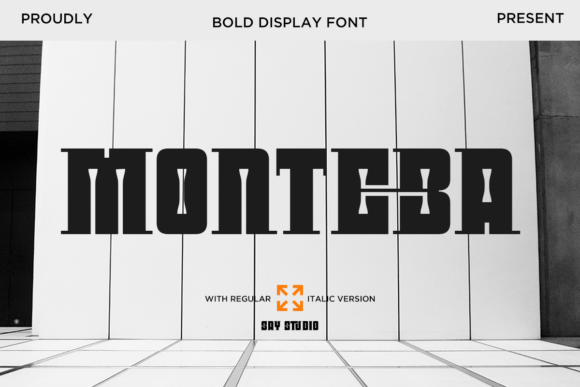
In the crowded landscape of digital and print design, capturing attention within seconds is not just an advantage; it is a necessity. Monteba arrives as a definitive solution for designers seeking immediate visual authority. This bold display slab serif font is engineered specifically for high-impact environments where clarity cannot be compromised for style. Unlike delicate serifs that whisper elegance or geometric sans-serifs that suggest neutrality, Monteba speaks with a confident, structured voice. Its thick serifs and solid proportions create a typographic anchor, grounding layouts and guiding the viewer’s eye with purposeful intention.
The true value of Monteba lies in its duality. It possesses the historical weight and trustworthiness associated with traditional slab serifs, yet its construction feels distinctly contemporary. This balance makes it an exceptionally versatile tool for modern creators who need to bridge the gap between heritage and innovation. Whether you are designing a startup logo that needs to look established on day one, or laying out an editorial spread that demands readability at large sizes, this typeface provides a sturdy foundation. It eliminates the guesswork often involved in finding a display font that remains legible and aesthetically pleasing when scaled up.
Defining Characteristics of Structured Authority
To use Monteba effectively, one must understand the mechanics behind its presence. The font is defined by low contrast between thick and thin strokes, a hallmark of the slab serif genre that ensures consistency across various media. In digital contexts, this uniformity prevents the letterforms from breaking apart on lower-resolution screens or when viewed at smaller sizes within a headline hierarchy. The serifs themselves are blocky and unbracketed, creating strong horizontal lines that lead the eye across the page. This structural rigidity conveys stability, making it psychologically appropriate for industries like finance, architecture, law, and education.
However, structure does not imply stiffness. The spacing and kerning in Monteba are tuned to allow the bold forms to breathe. Tight tracking can make heavy fonts feel claustrophobic, but Monteba maintains open counters and balanced negative space. This technical consideration allows designers to set headlines tightly for dramatic effect without sacrificing legibility. For professional typographers, this means less time manually adjusting optical spacing and more time focusing on the overall composition. The letterforms stand tall and occupy space assertively, ensuring that your message holds its own against busy photography or complex background textures.
Strategic Applications in Branding and Identity
For entrepreneurs and brand strategists, typography is the silent ambassador of the brand. Monteba excels in logotype and wordmark design because its distinct silhouette is recognizable even without color or supporting graphics. When crafting a visual identity, consider how the font’s weight communicates brand values. A tech company might use Monteba to signal reliability and robust infrastructure, while a craft brewery might leverage it to evoke artisanal tradition and tangible quality. The key is to let the font do the heavy lifting regarding tone, allowing other brand elements to remain simpler and more flexible.
- Wordmarks: Use all-caps settings with increased tracking for a premium, institutional feel, or mixed case for a more approachable, human-centric brand voice.
- Packaging Design: The thick strokes maintain integrity on curved surfaces and textured materials like kraft paper or embossed cardstock.
- Social Media Templates: Create reusable quote cards or announcement templates where the text must be instantly readable on mobile feeds without zooming.
- Signage and Wayfinding: High x-height and clear distinction between similar characters ensure functionality in environmental graphics.
Editorial Layouts and Digital Hierarchy
Bloggers, publishers, and content marketers face the unique challenge of maintaining engagement through long-form content. While Monteba is primarily a display font, its role in editorial design is pivotal as a hierarchical signpost. It serves best as the primary headline typeface, distinguishing major sections from body copy. Pairing is critical here; combine Monteba with a clean, neutral sans-serif or a highly readable serif for body text. The contrast between the bold, structured header and the fluid body text creates a rhythm that keeps readers moving down the page. Avoid using Monteba for paragraphs longer than two lines, as the heavy weight can cause eye fatigue in extended reading scenarios.
In web design, this typeface acts as a conversion tool. Call-to-action buttons and value proposition headers benefit immensely from the confidence Monteba projects. When a user lands on a pricing page or a signup form, the typography should reinforce the decision-making process. Using this font for "Get Started" or "Subscribe" headers adds a subconscious layer of assurance. Just ensure that CSS implementation accounts for the font’s natural width; unlike condensed display fonts, Monteba requires adequate horizontal viewport space. Responsive testing is essential to ensure headlines wrap gracefully on mobile devices without creating awkward breaks or excessive white space.
Creative Variations and Stylistic Approaches
Creativity with Monteba involves manipulating its inherent strength rather than fighting against it. One effective approach is playing with scale extremes. Because the letterforms are so robust, they can be blown up to massive sizes where they become abstract shapes or background textures. A poster design might feature a single letter spanning the entire canvas, with smaller informational text nested within the counter spaces. This transforms typography from mere communication into visual art, ideal for event promotion, album covers, or fashion editorials.
Color interaction also changes the perception of this typeface. White Monteba on a black background maximizes contrast and feels sleek and modern. Conversely, deep navy or forest green on cream paper evokes academic prestige and classic publishing. For digital creators experimenting with dark mode interfaces, Monteba retains its shape better than thinner fonts, which can sometimes appear to vibrate or disappear against dark backgrounds. Consider using color to highlight specific words within a headline set in Monteba, breaking up the visual mass and directing focus to key keywords without altering the typographic system.
Practical Guidelines for Consistent Results
Achieving professional results requires discipline. One common mistake when working with bold slab serifs is overusing them. If every element on a page screams for attention, nothing gets heard. Establish a strict typographic hierarchy where Monteba is reserved exclusively for top-level information. Subheads, captions, and metadata should utilize lighter weights or complementary families. This restraint amplifies the impact of the display font when it does appear. Additionally, pay close attention to alignment. The geometric nature of Monteba pairs naturally with grid-based layouts. Aligning headlines to a strict column grid reinforces the sense of order and professionalism that the font embodies.
Finally, consider the context of your audience. For Gen Z and Millennial demographics, the retro revival of slab serifs resonates as authentic and nostalgic. For older demographics, it reads as trustworthy and proven. Understanding this nuance allows you to tailor your application. A financial advisor targeting retirees might use Monteba in a conservative, centered layout with ample whitespace. A streetwear brand targeting youth culture might use the same font in a chaotic, overlapping collage style. The typeface is a vessel; your creative direction determines what it carries. By respecting its structural integrity while adapting its presentation, Monteba becomes more than just a font file—it becomes a strategic asset in your visual toolkit.