Monroe: A Tall, Airy Display Font
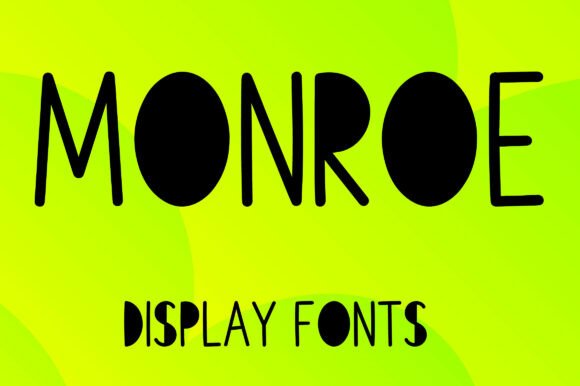
Elevating a visual identity often comes down to selecting typography that balances distinct character with functional clarity, and Monroe achieves this through its uniquely thin, tall, and airy letter design. This display font offers a refreshing alternative to standard bold headers, providing a sophisticated vertical rhythm that immediately captures attention without overwhelming the viewer. For graphic designers and brand strategists seeking creative assets that feel both modern and timeless, Monroe serves as a versatile tool for establishing a memorable aesthetic across various media.
The Role of Vertical Typography in Visual Design
In the realm of modern aesthetics, verticality implies elegance and stability. Monroe’s elongated proportions create a strong visual hierarchy, guiding the eye naturally through editorial layouts and digital interfaces. Unlike heavier typefaces that can dominate a composition, the airy nature of this font allows for generous negative space, which is essential for maintaining readability and reducing cognitive load in UX design. This makes it particularly effective for projects where breathing room and minimalist sophistication are paramount.
When integrating Monroe into a brand identity system, consider how its slender forms interact with other elements. The uppercase-only structure (A-Z) and numerical set (0-9) encourage intentional, stylized usage rather than utilitarian body text. This limitation is actually a strength in logo design and headline creation, forcing a focus on impactful, concise messaging that resonates with audiences.
Practical Applications Across Creative Projects
The versatility of Monroe extends far beyond simple headlines. Its distinctive silhouette adapts seamlessly to multiple touchpoints in a comprehensive marketing strategy:
- Branding and Logo Design: Create wordmarks that stand out through height and refinement rather than weight, perfect for fashion, beauty, or luxury lifestyle brands.
- Social Media Graphics: Use the tall aspect ratio to maximize vertical space in Stories and Reels covers, ensuring text remains legible against busy imagery.
- Packaging Design: Apply the font to product labels where premium positioning is required; the thin strokes convey delicacy and high-quality craftsmanship.
- Editorial and Web Design: Utilize Monroe for pull quotes, chapter titles, or hero sections to break up dense content and add rhythmic variety to the page layout.
- Merchandise and Apparel: The unique letterforms translate beautifully to screen printing and embroidery, offering a trendy yet professional look for branded goods.
Best Practices for Implementation
To maximize the effectiveness of Monroe within your design workflow, treat it as a specialized accent rather than a workhorse. Because it is a display font with specific stylistic traits, pairing it correctly is crucial for professional presentation. Combine it with a clean, highly readable sans-serif or geometric typeface for body copy to ensure the overall composition remains accessible. The contrast between Monroe’s expressive height and a grounded supporting font creates a dynamic tension that enhances user engagement.
Color palette selection also plays a significant role when working with such delicate linework. High-contrast combinations, such as dark charcoal on cream or white on deep navy, ensure the thin strokes remain crisp and visible at smaller sizes. Avoid placing Monroe over complex photographic backgrounds without adequate overlay or masking, as the airy design may lose definition. In digital marketing and UI design, always test scalability; while the font shines at large sizes, verify that it retains its integrity on mobile screens where pixel density varies.
Ultimately, successful visual communication relies on choosing assets that align with both emotional goals and functional requirements. Monroe offers a specific flavor of creativity that speaks to precision and modern elegance. By thoughtfully applying this typeface within your broader design system, you can transform standard layouts into compelling visual narratives that strengthen brand recognition and elevate the overall quality of your creative output.